Well that didn’t work out as planned. It was a mixed bag.
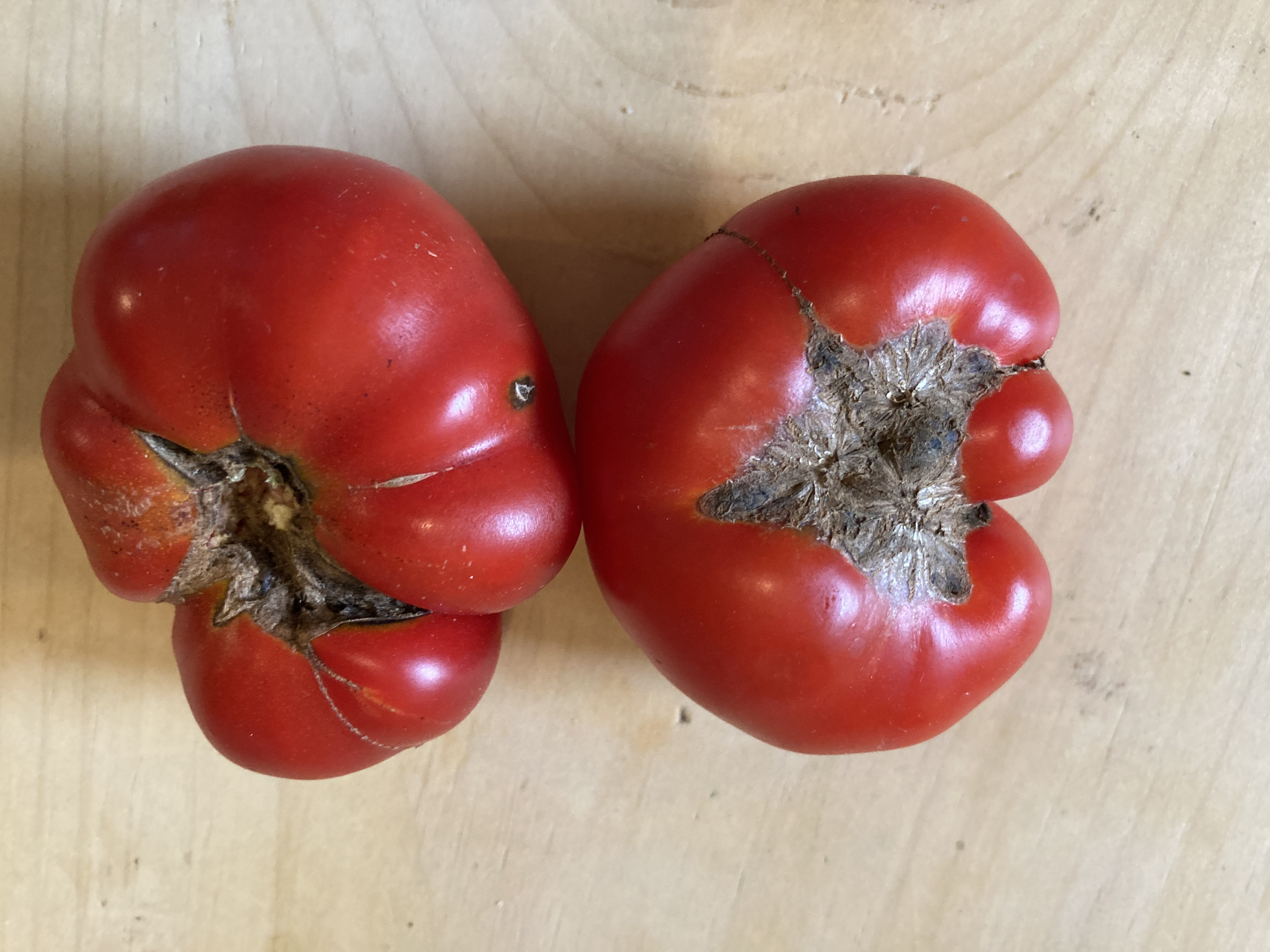
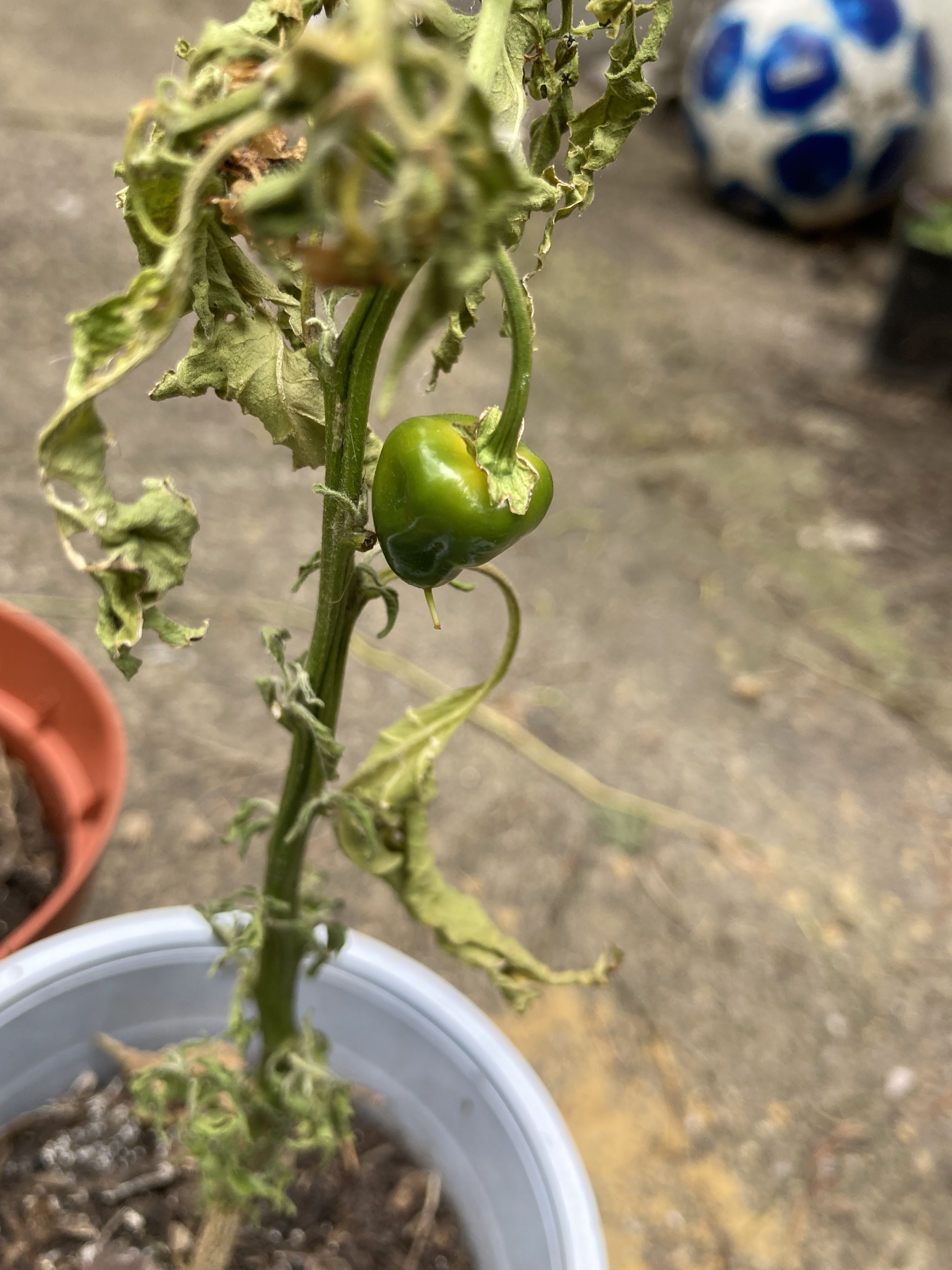
The vegetables were a wash-out. I ended up with 2 not-very nice looking tomatoes and some chillis which never ripened (and then dried out while we were away).
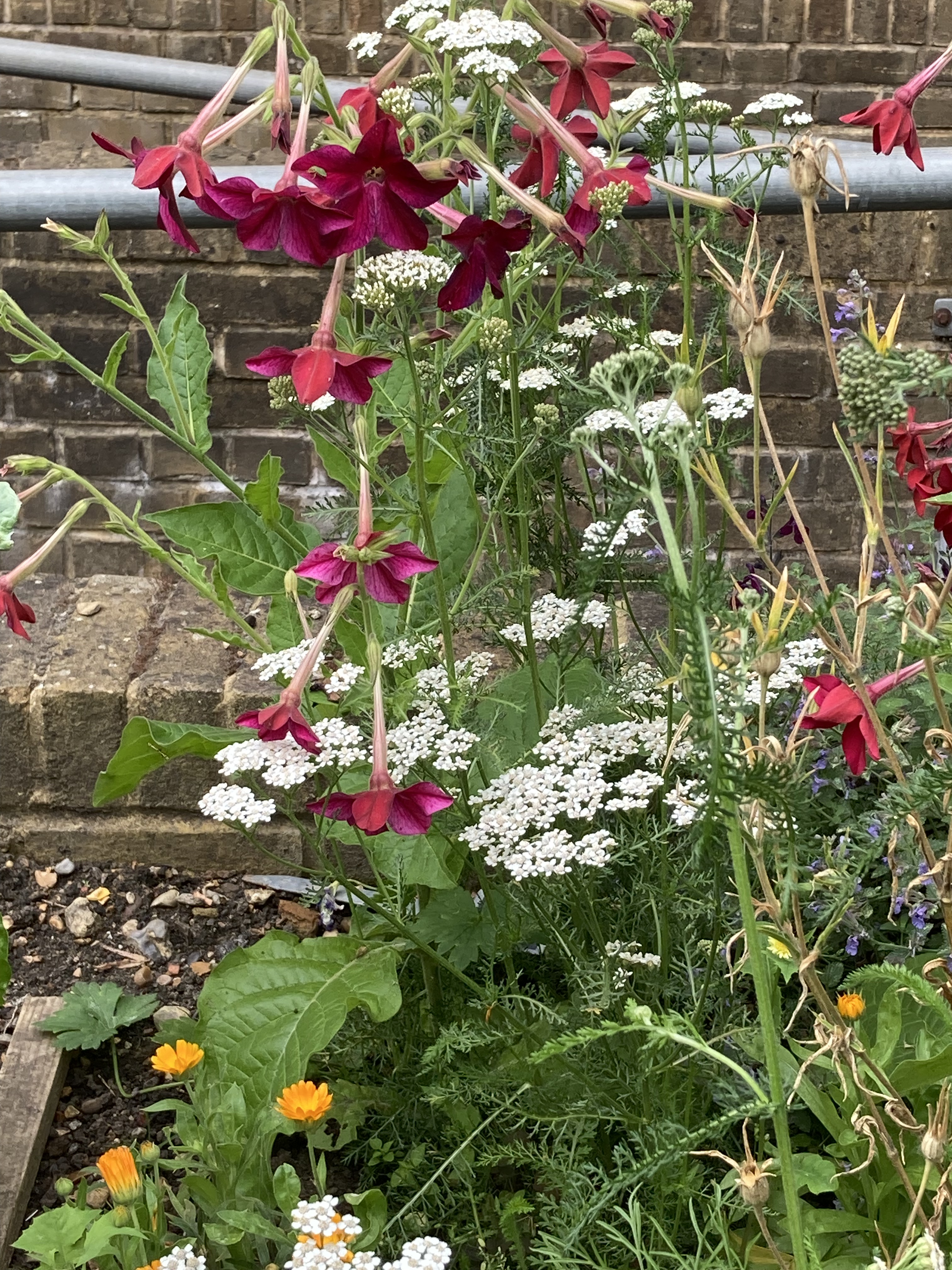
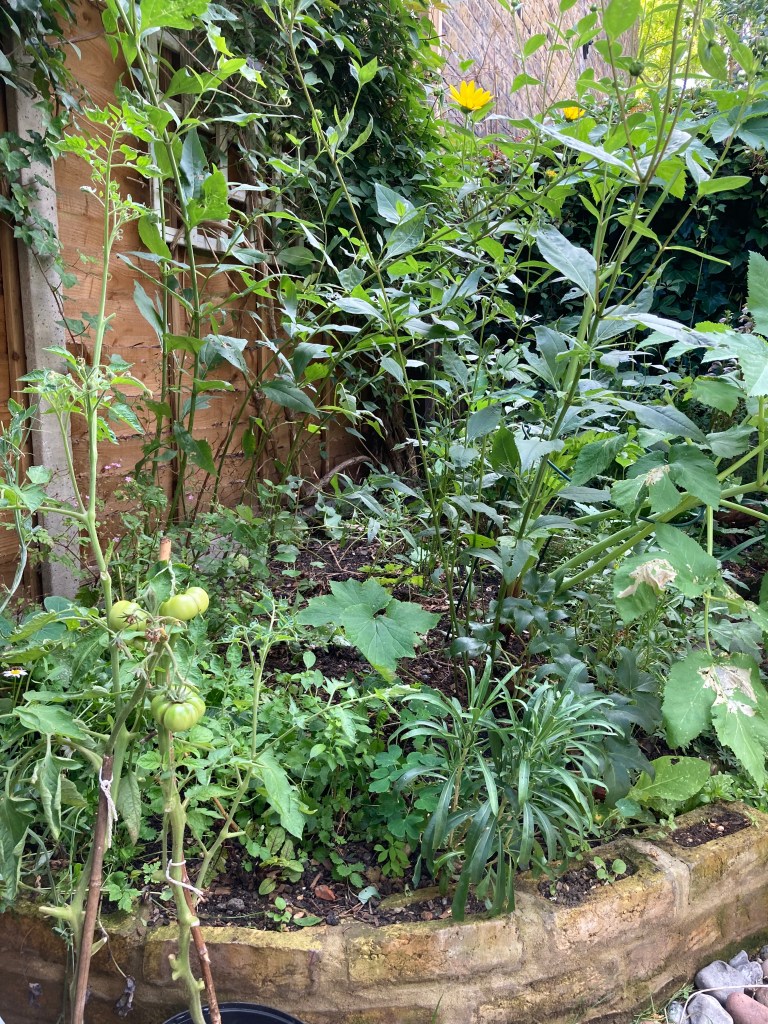
The scabious never did the business. The sunflowers got eaten! The nicotiana did really well in the Red Cross garden – not so well in ours. I think it needs lots of sun and to be planted out early.
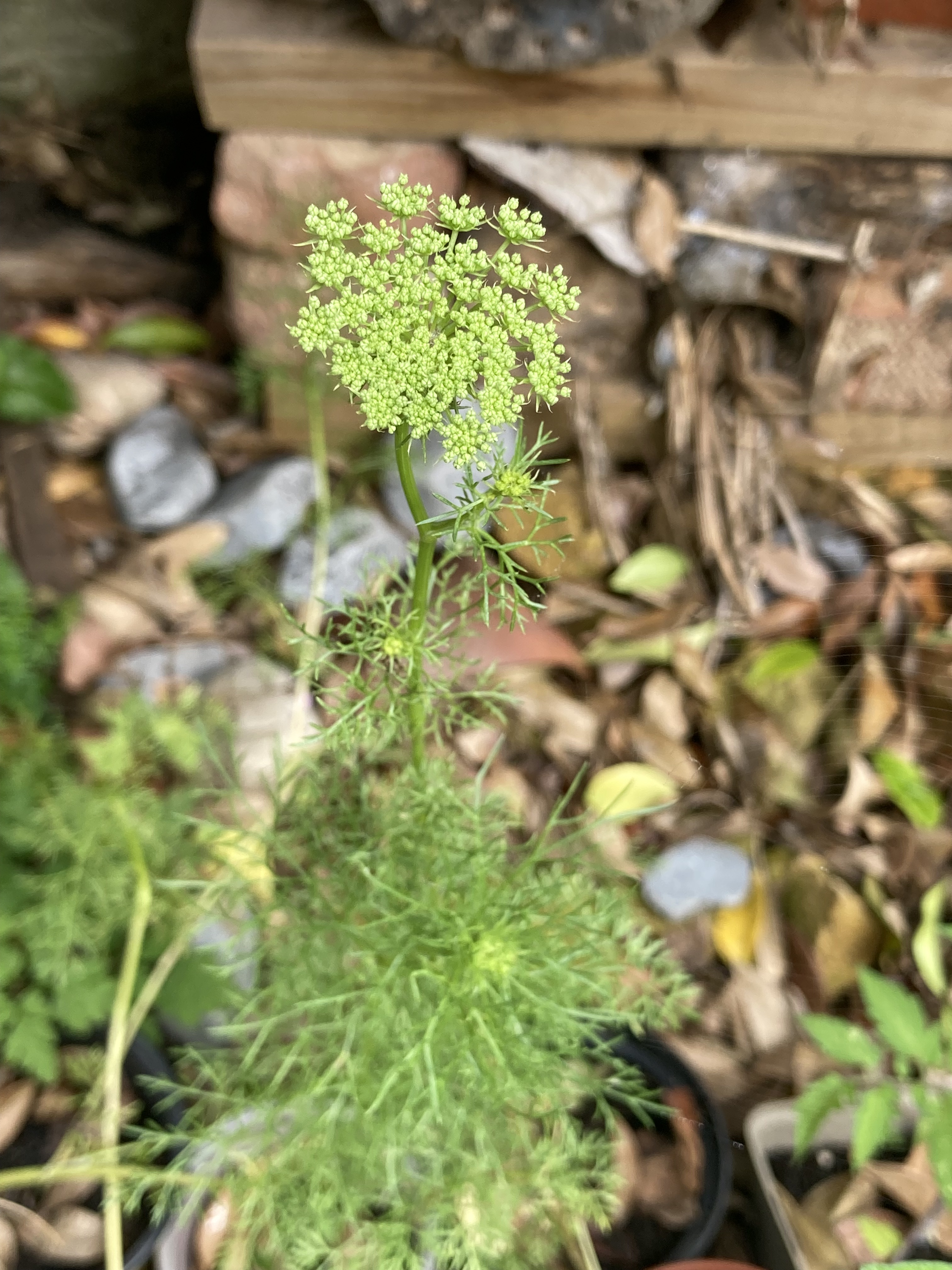
I’m confused about the Queen Anne’s Lace. I thought it was a biennial but it’s flowering here (very small flowers) and has done the business in the Red Cross garden but late.
Next year, I think I should stick to growing Coriander and salad. I always say this and I never do…
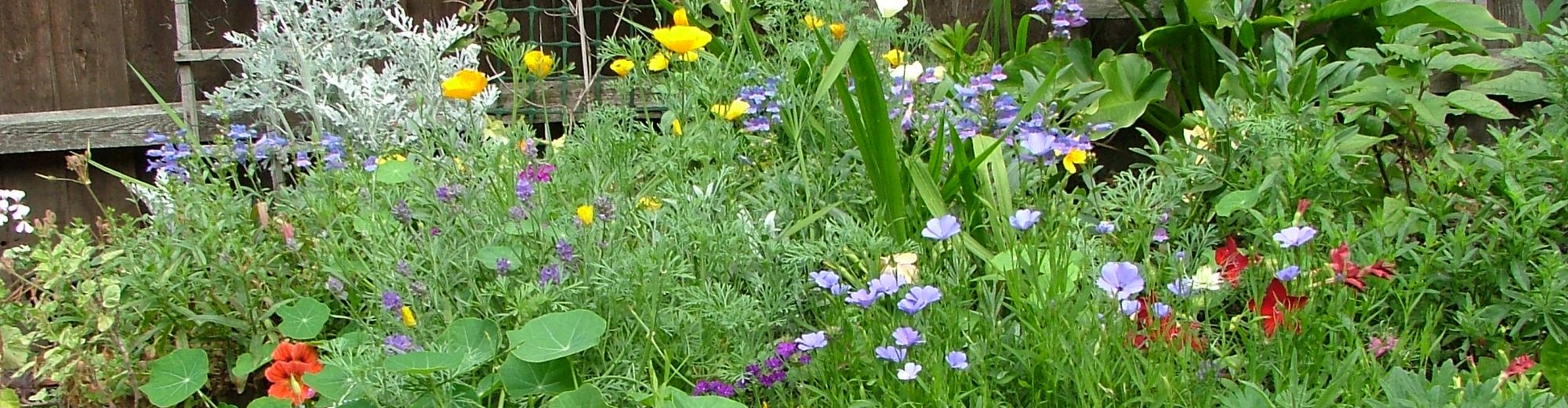
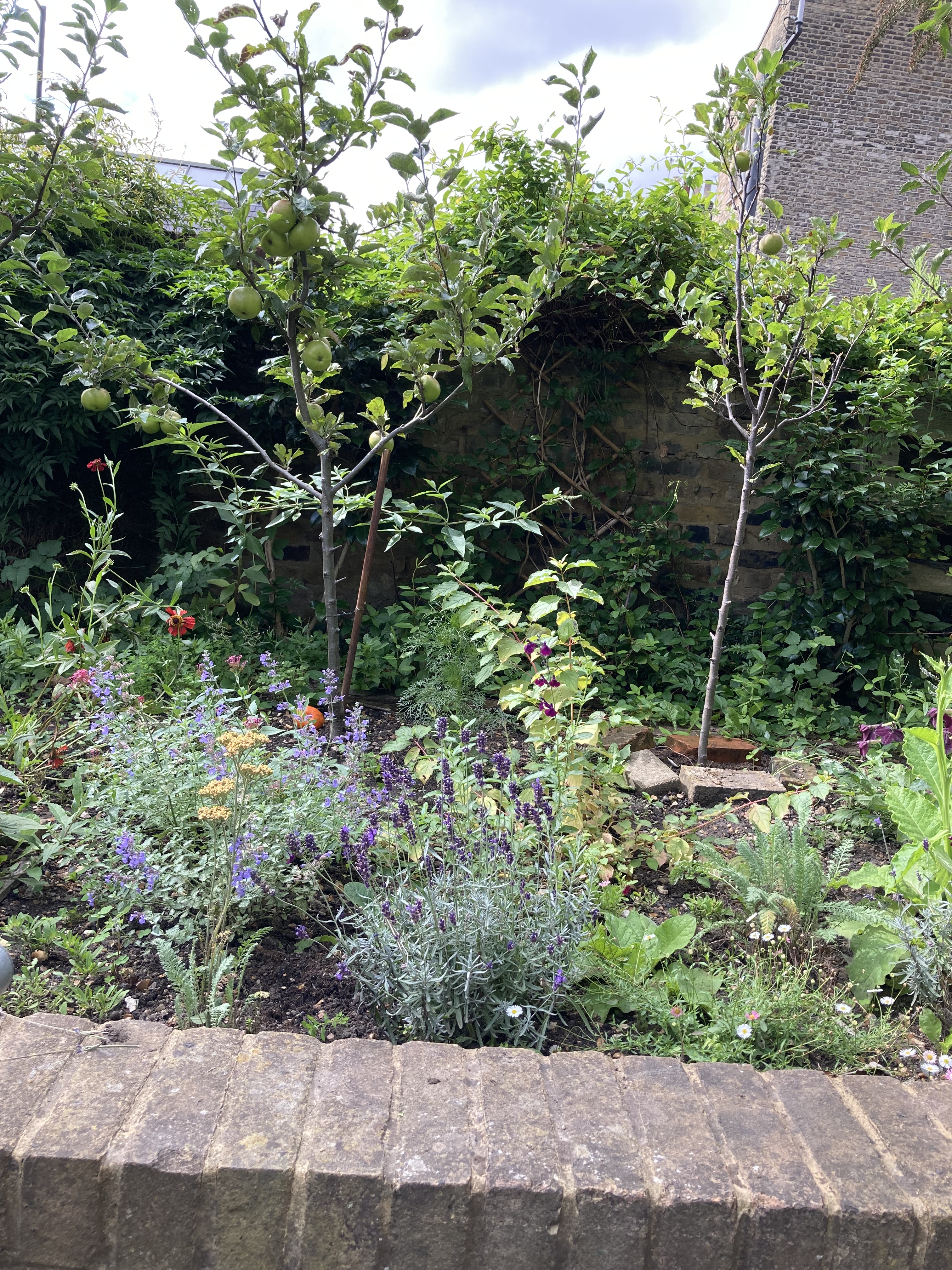
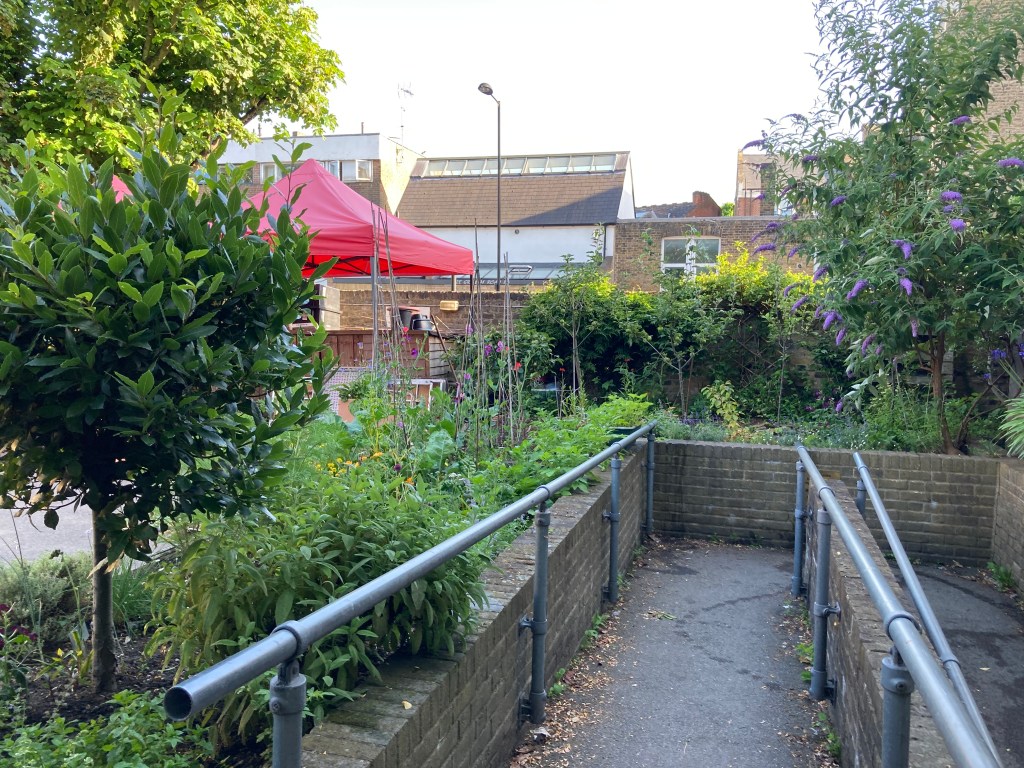
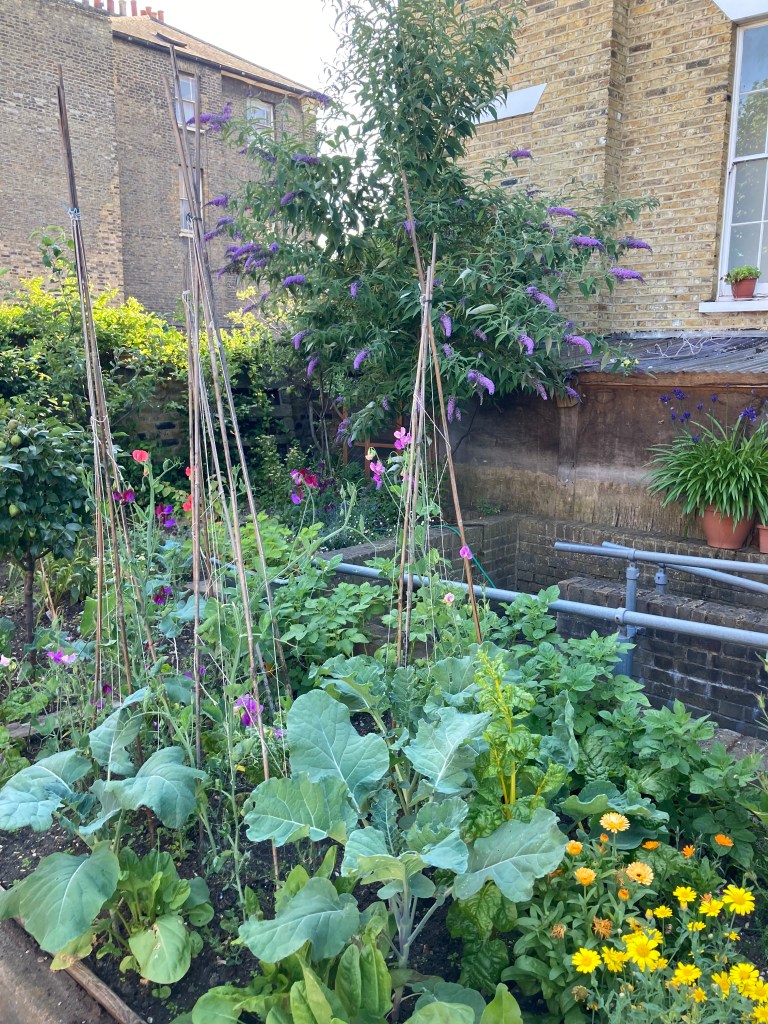
Looks nice. Has flourished because of the rain. The long-flowering plants we bought are doing the business. The sweet peas aren’t doing brilliantly. I don’t know if this is because they were spindly to start with or if they need more feeding/ watering/ love and attention. (Who knows with sweetpeas). Some of the “wild” stuff I put in has done v well too. There are lots of butterflies and some bees.
It needs a bit more love – regular weeding and dead-heading which I forgot about. I guess the newer a garden is, the more looking after it needs. Also is hard to just “pop by”, especially in the summer. And it needs a plan for the veg/ fruit. We can’t just grow it and let it bolt/ rot.
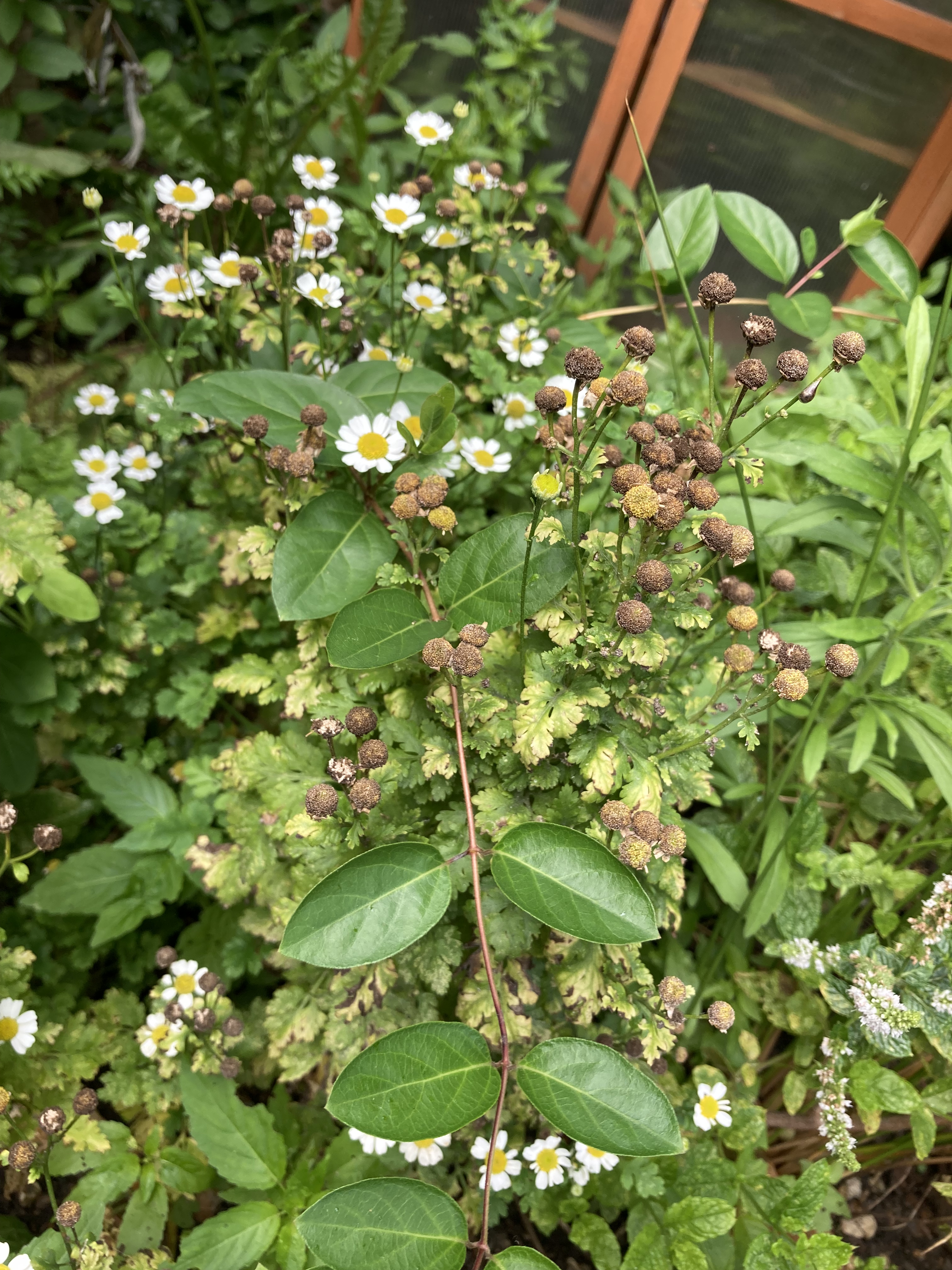
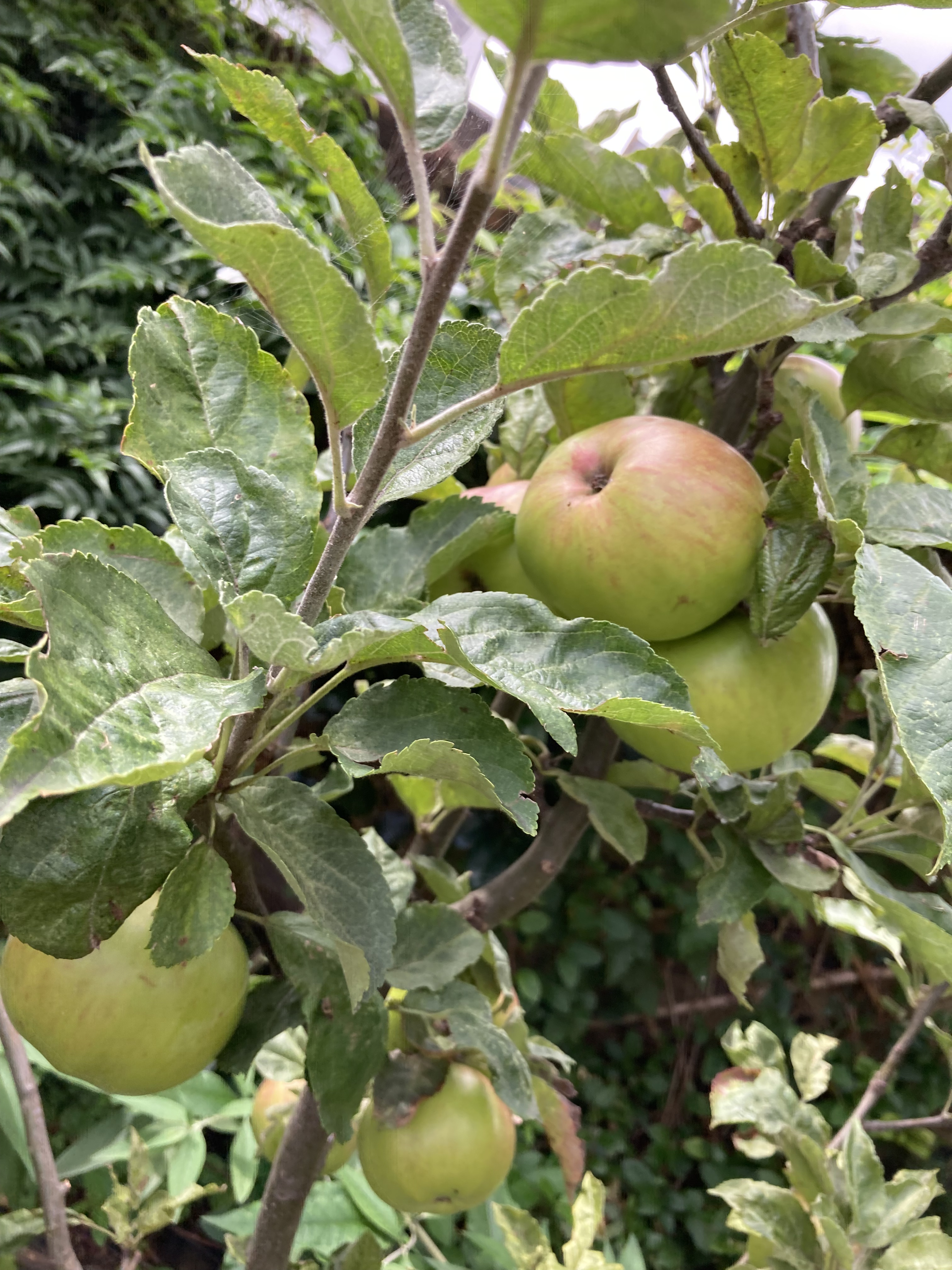
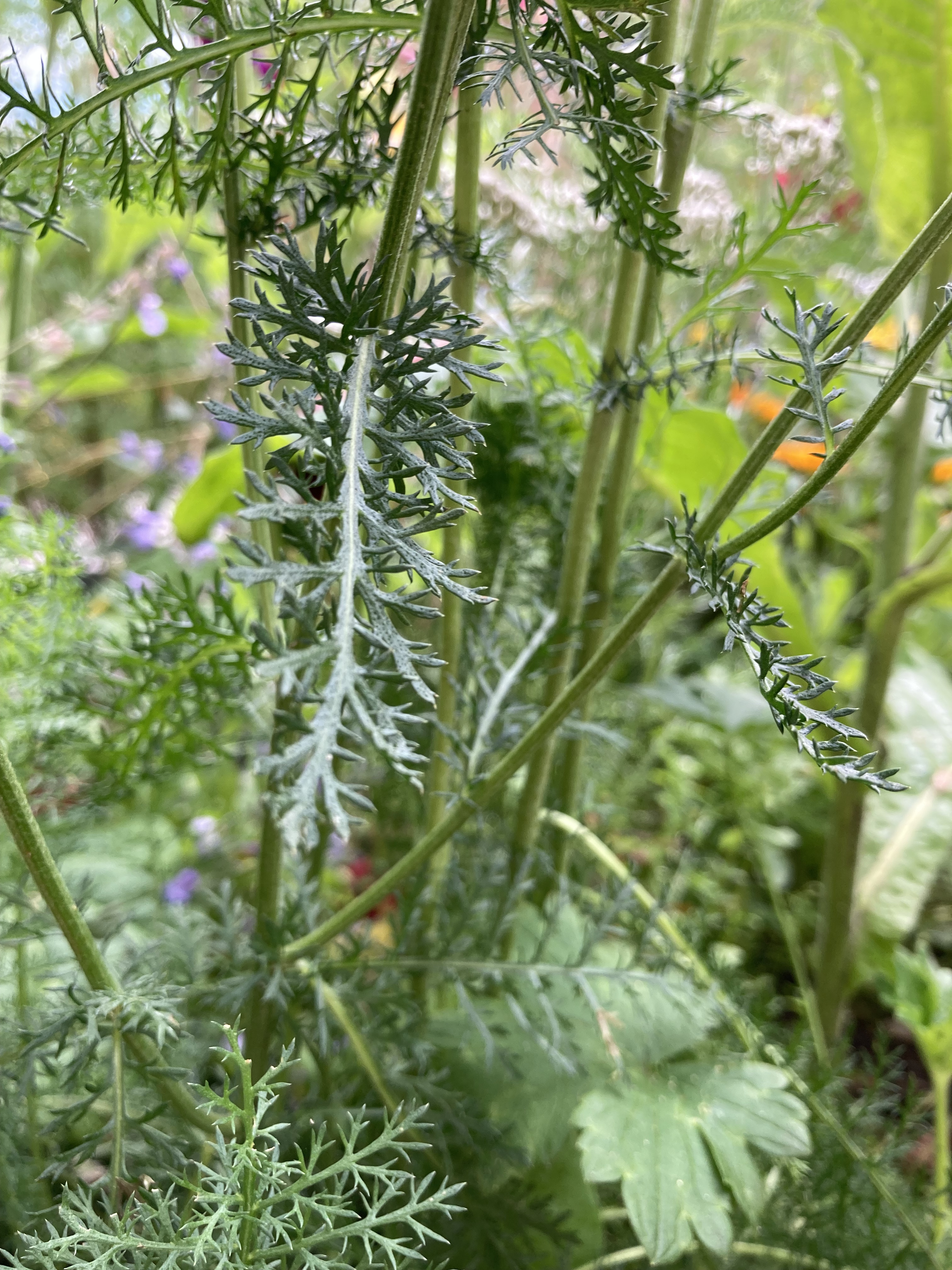
Luke and I went in on our way back from the shoe shop on Saturday and he took all these.
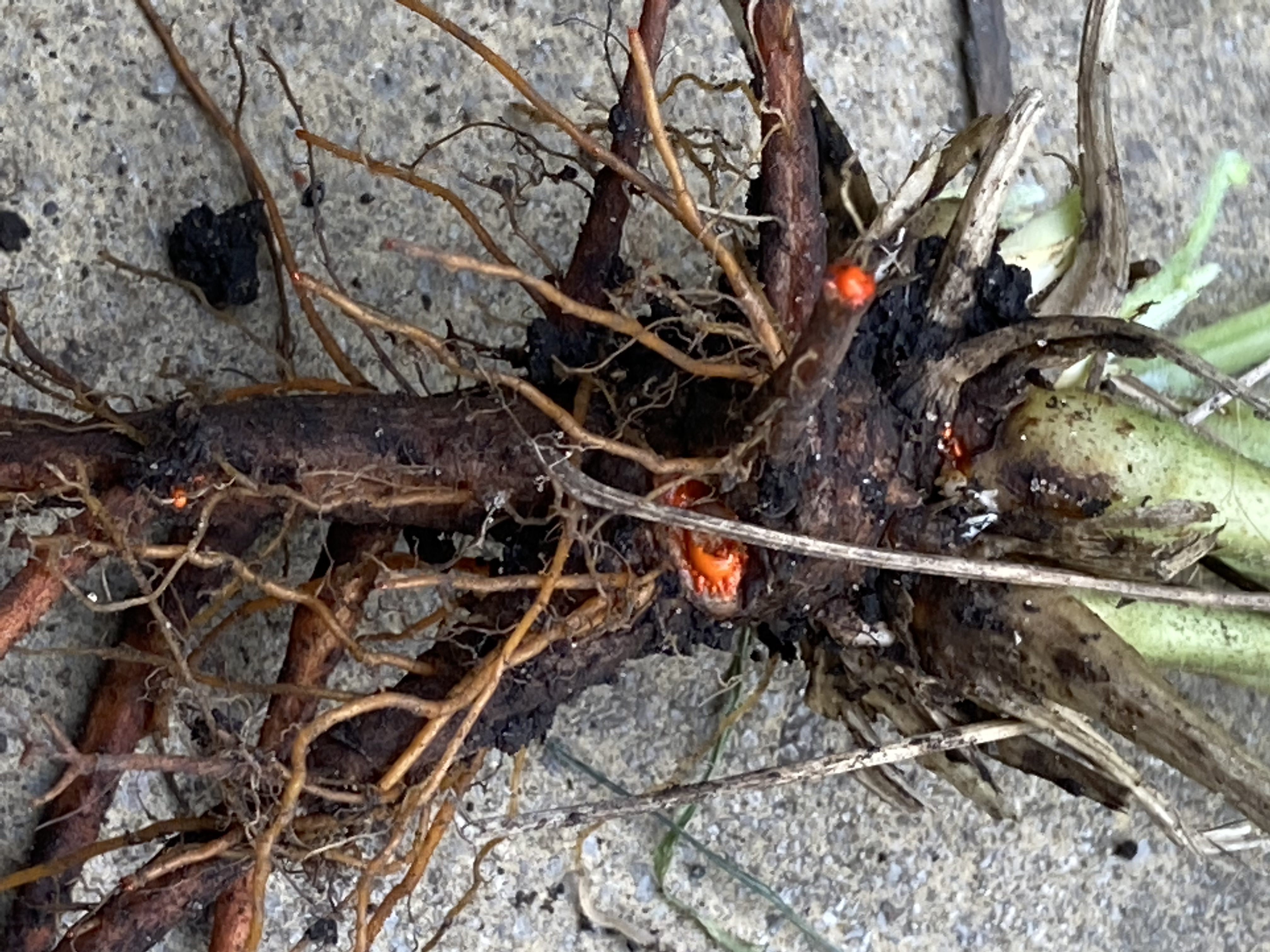
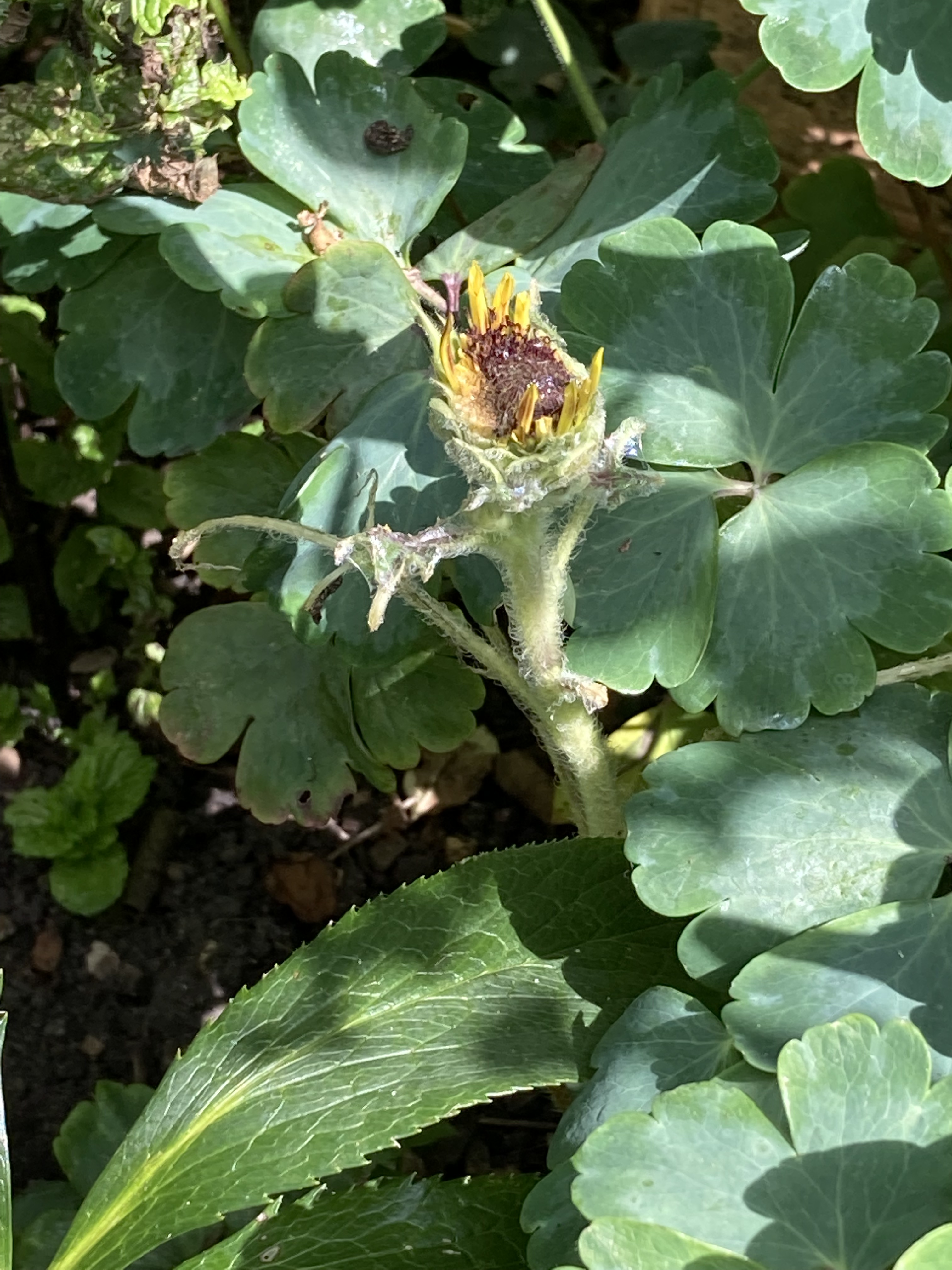
I’ve had quite a lot of this. Apparently it’s also called swallow wort, because it appears when the swallows come. And it’s called Chelidonium Major, which derives from the word for Swallow in Greek. It’s good for wildlife – but it has spread quite a lot in my garden so I pulled some up yesterday and the sap is bright orange/ red. Most Impressive.
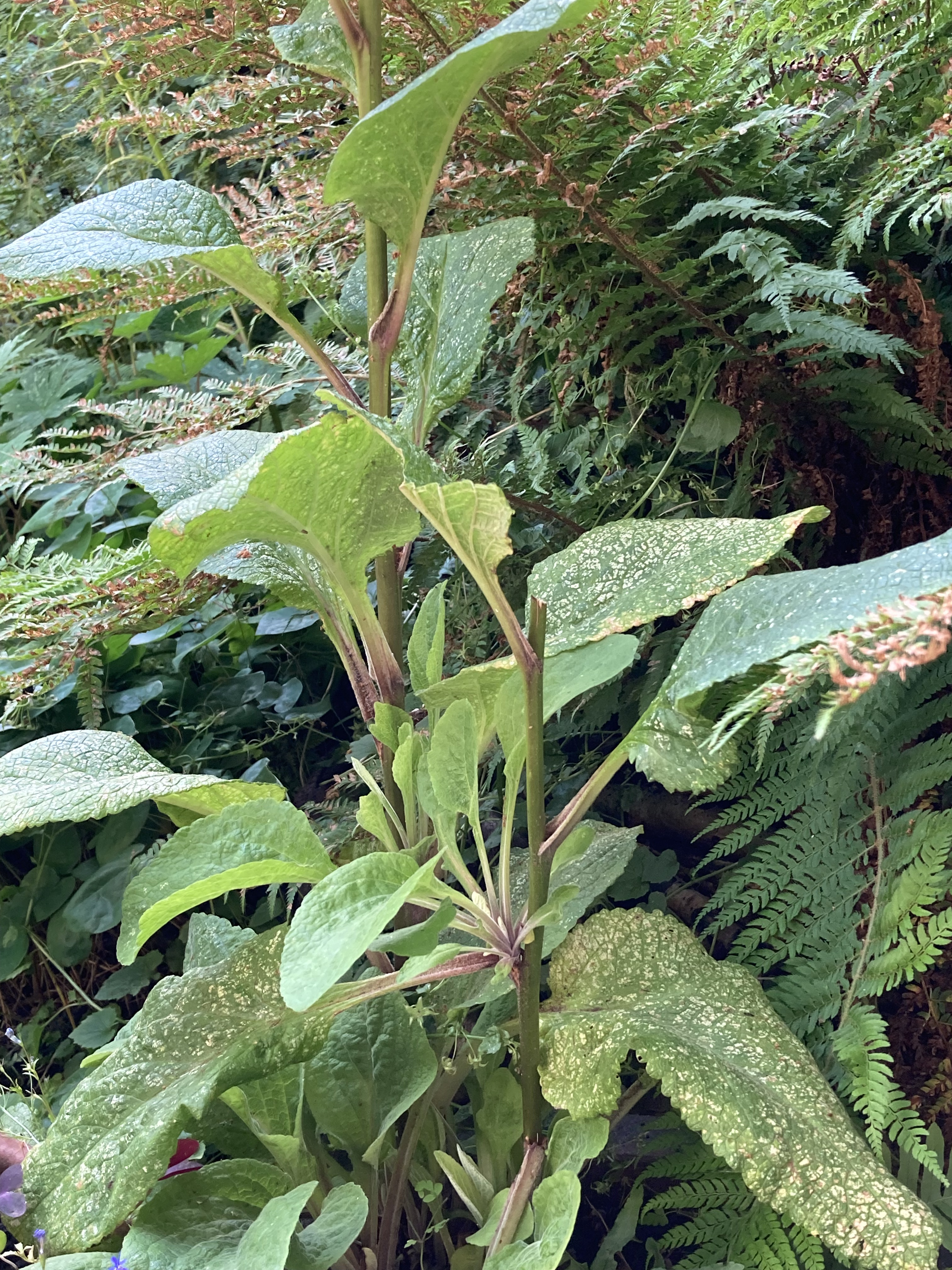
So some of the old spikes have had new spikes (the ones that got cut off cleanly, not just died). And some of them have new green growth but not new spikes. These are the ones in the pot by the door (one of which is at least 2 years old) and a new spike on the one in the left hand bed.
Things I have learnt this year: foxgloves are more complicated than you think. Or more straightforward. If you cut them back, some come again. They might last for several years. They can have lots and lots of spikes at the same time, or a succession. Just because someone smacks them with a cricket ball or a hammock, doesn’t mean it’s over. But somtimes, if you cut them back after flowering, that’s it and they turn into stumps.
I think I’m ready to move onto something else now. Though I have collected and scattered the seed in a slightly more methodical fashion than usual this year, and am interested to see what happens…
It’s kind of on it’s 3rd cycle of the summer. It looked great, then awful; then great, then okay-sh. I’ve tied it up and now it looks v good at again. Don’t be scared to tidy it up and cut stuff back. Other stuff will come through!
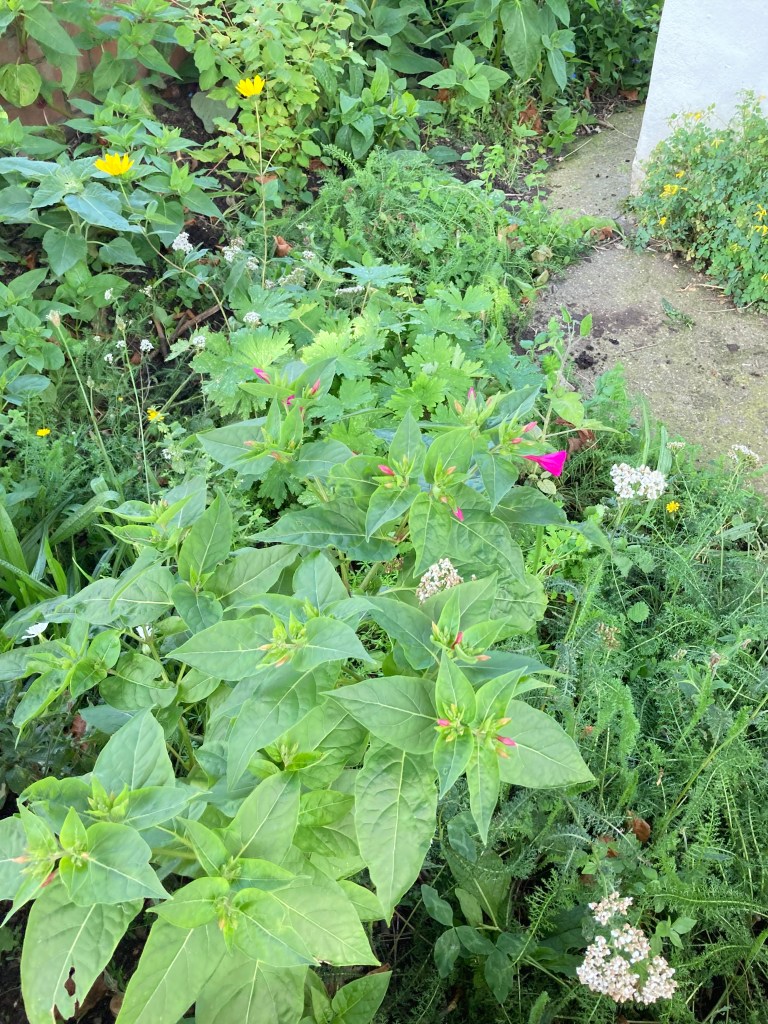
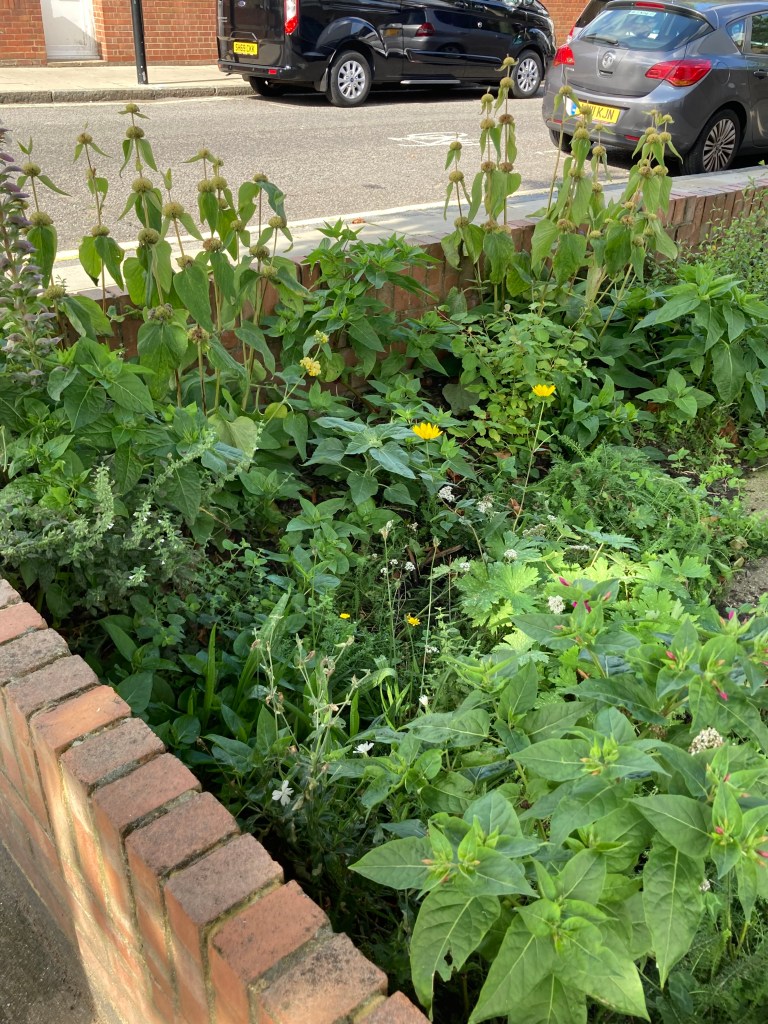
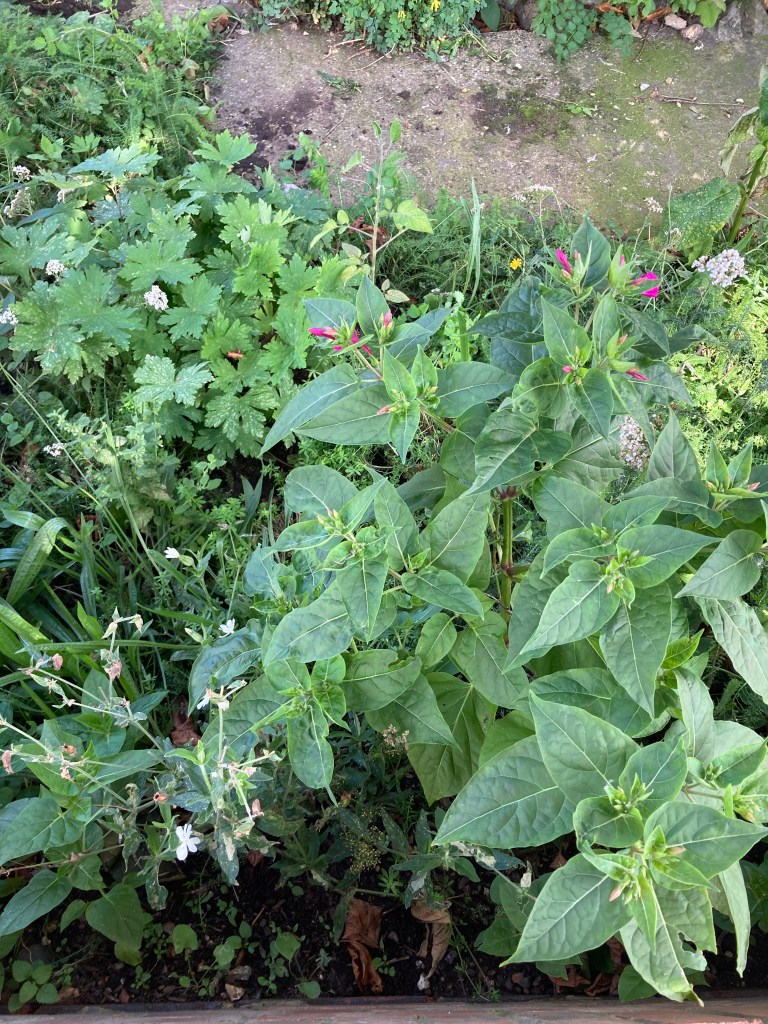
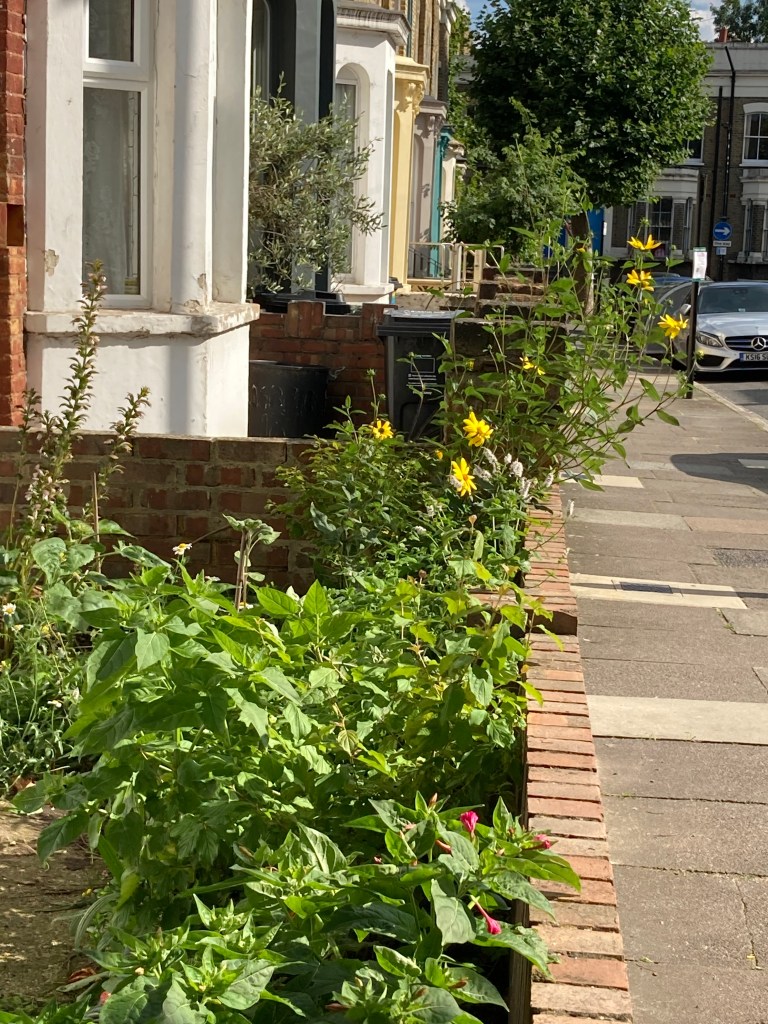
Sunflowers and 4 o’clock flowers doing the business. Also lots of ground-cover/ green growth – which I think is just because of the rain. On the flip side, I planted some tomatoes from Chris round the corner too and they haven’t even got flowers it’s been so wet. I also added the last of the sunflowers which wouldn’t survive in my garden because of the snails. It is full of small pollinators. So that is a success.
I’ve also talked to a lot of people while I do it – which can be annoying as it slows you down – but is also a nice way to build community. So I guess it is really working for that too.
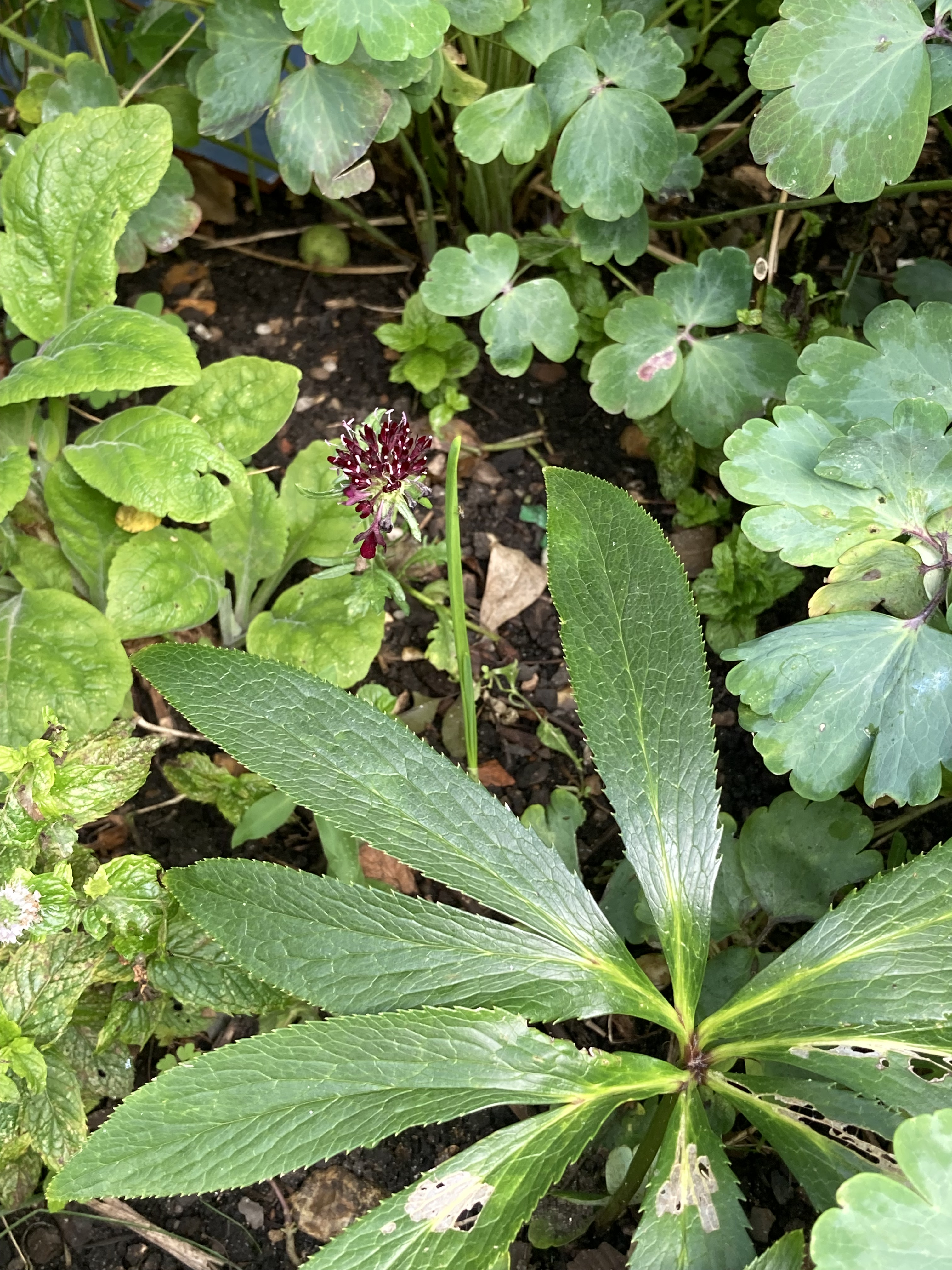
I’m pretty sure these things shouldn’t be happening:
Flowering hellebores
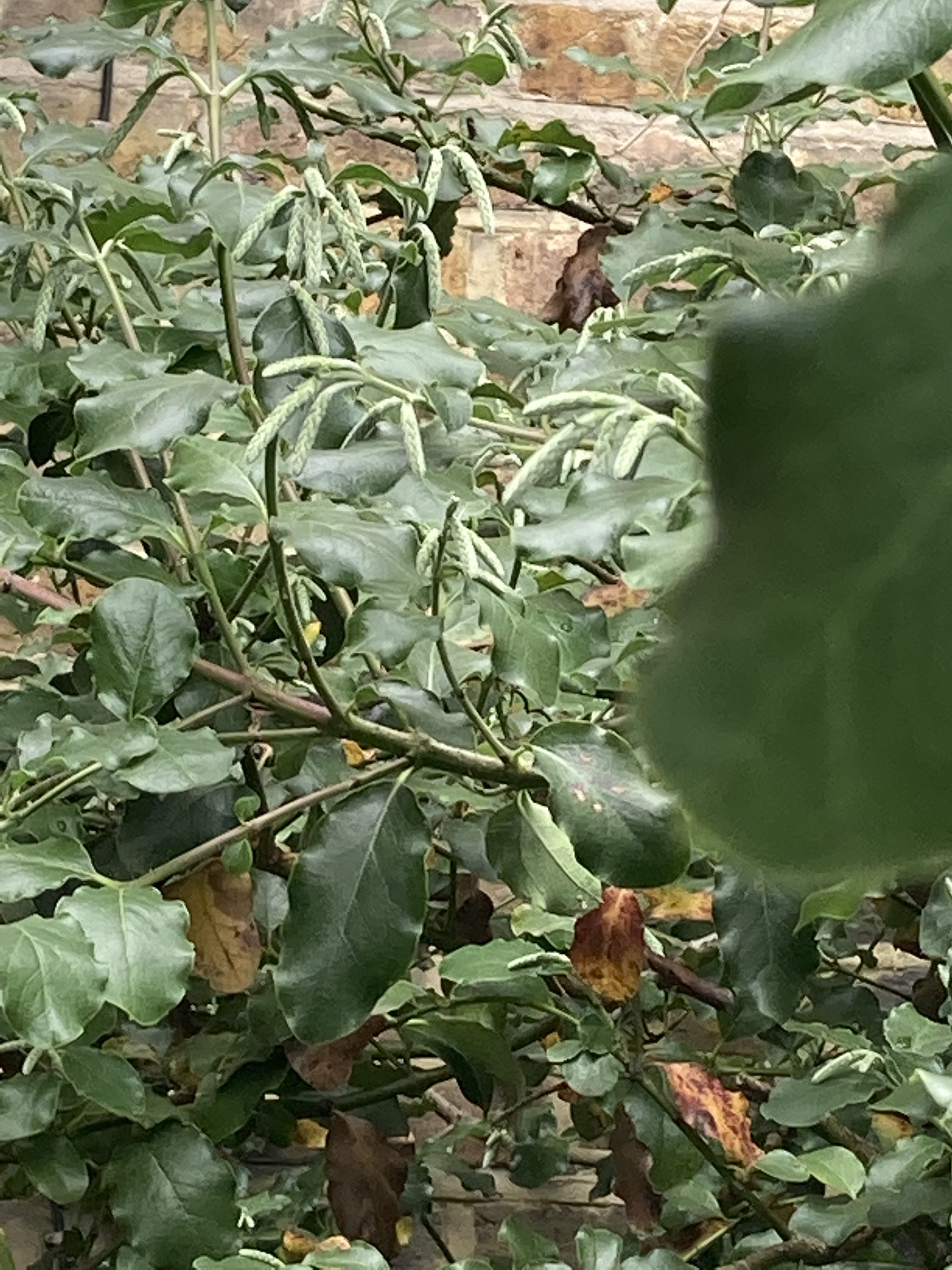
Lots of new tassels on the silk-tassel bush
Queen’s Anne Lace flowering in it’s first year (its meant to happen next year)
These are all small things which I think might be because some of the plants think it’s spring. It’s been so cold and wet I think they’re waking up early.
No sun – it used to be very sunny but now the fuschia is enormous and blocks it.
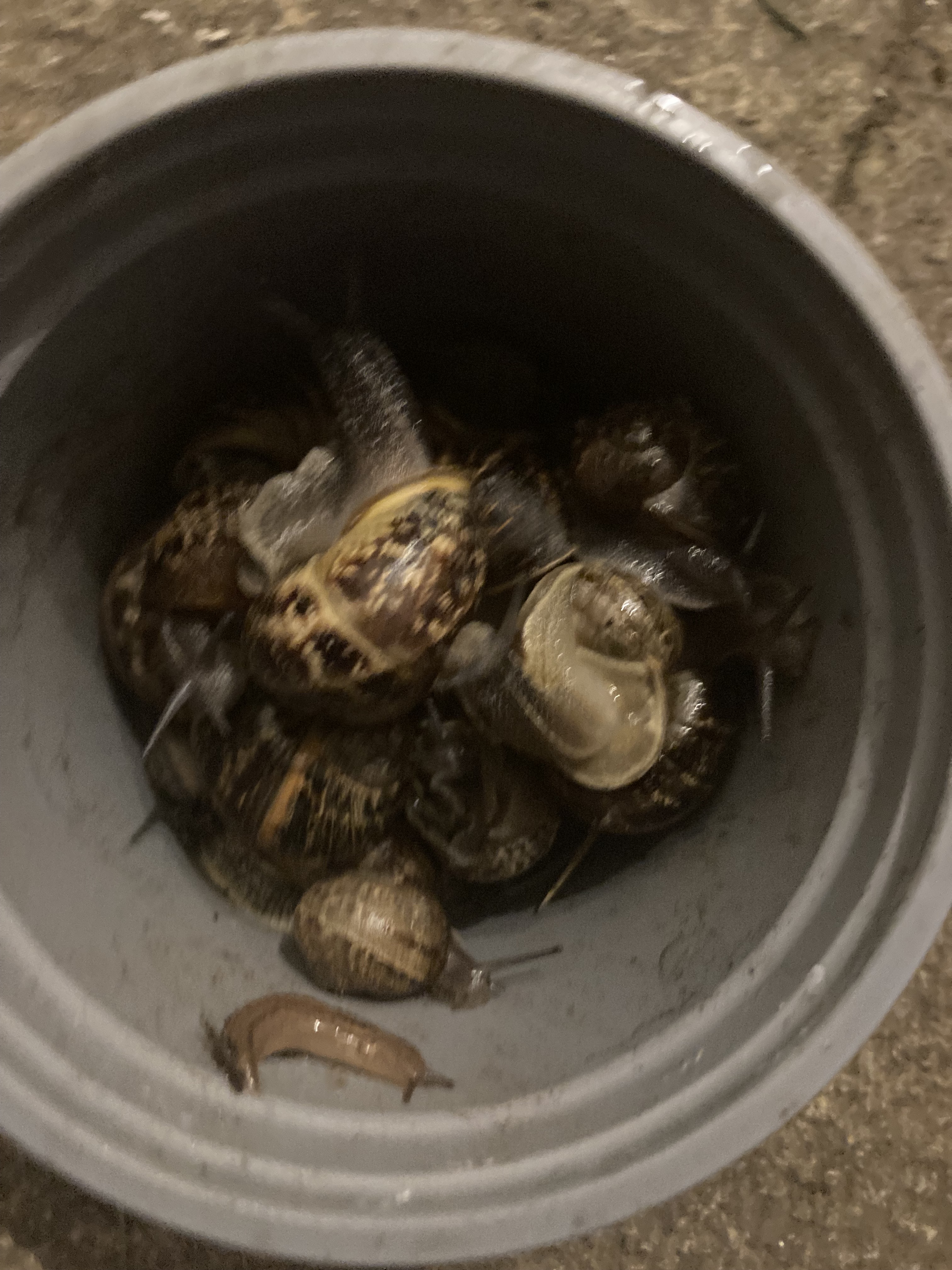
Lots of snails – they eat anything that isn’t very strong: only the well-established survive.
The well established things are huge – so they block out the light, take over the space and make it hard for anything else to come through.
Hard to access – it’s tricky getting into it (for anyone other than foxes)
That’s another problem as it’s a well-trodden fox-run to next door’s garden.
I’m hoping that writing these down will help me deal with them. Each time I want to plant something I should remember this.
This August, there is nothing flowering in it except the swamp-sunflowers. There’s also a huge angelica which I don’t remember planting and some Greater Celandine.
The one plus is that as we can’t sit on the paved bit (it’s the cricket net) we can only see the bed from the kitchen, so it doesn’t really matter this year. But it would be nice to see lovely flowers and a range of insects.
This week, I have cut the fuschia back. I’ve cleared lots of greenery and put in the only plants I have left in pots. Some Queen Anne’s Lace and foxglove, what might be a scabious and some catchfly. I’m not sure if it will have much effect and it really annoyed the toad, but we’ll see. As we are off next week, it doesn’t seem worth trying to do anything major now. Maybe next week…..
Here is the toad! Or is it a toad? One of many? There is a toad in the cellar – but is it the same one? I saw the cellar one siting on the lawn-mower when I went to get some wine. Next morning I saw this one in the back bed. Same toad? Different toad? They are about the same size – a bit smaller than my thumb – but I don’t get how the cellar toad would get up the very steep steps. I can’t find anywhere that tells me the average territory size.
I kept coming across it when I was doing the back bed and having to stop and leave it. I thought it had gone away but then I thought I had sliced it with the trowel. I hadn’t but I think it was a bit scared!
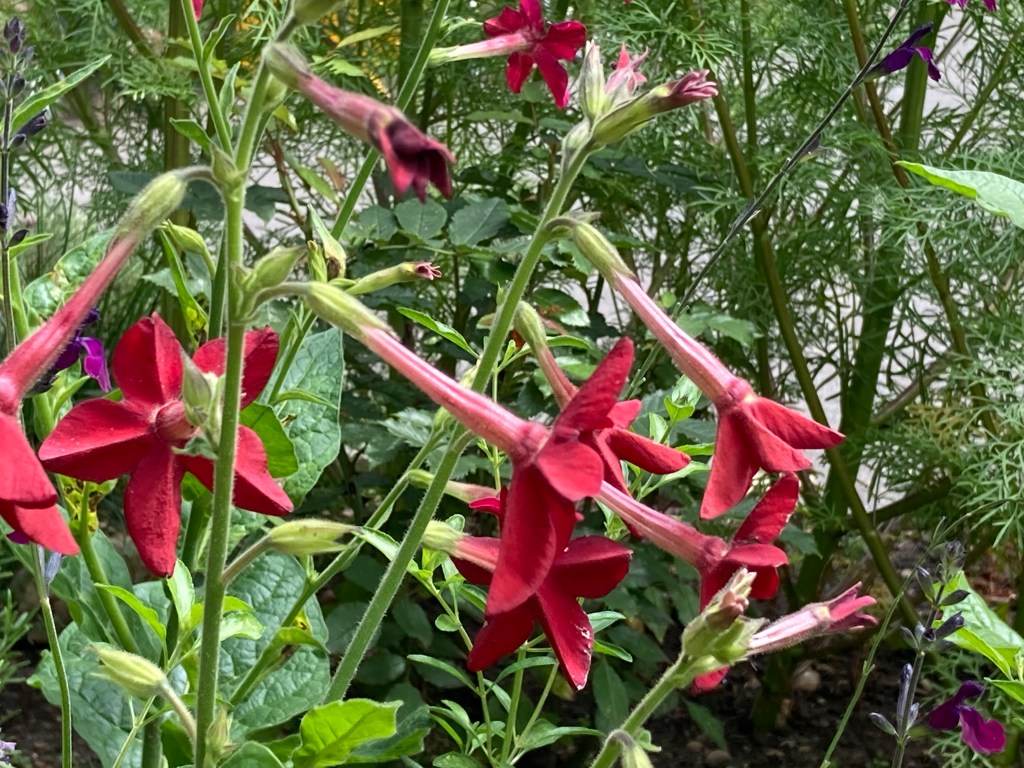
I grew these from seed. The ones in my garden are tiny and have no flowers but I went to the Red Cross last week and look! Huge red trumpets! I think they got more sun and no snails. I’m not sure what’s in the soil but it suits them.
Where’s the line between a wildlife garden and a mess? When does it stop being a garden? I guess it’s like the definition of a weed – you decide for yourself. But I’m still finding where my line is.
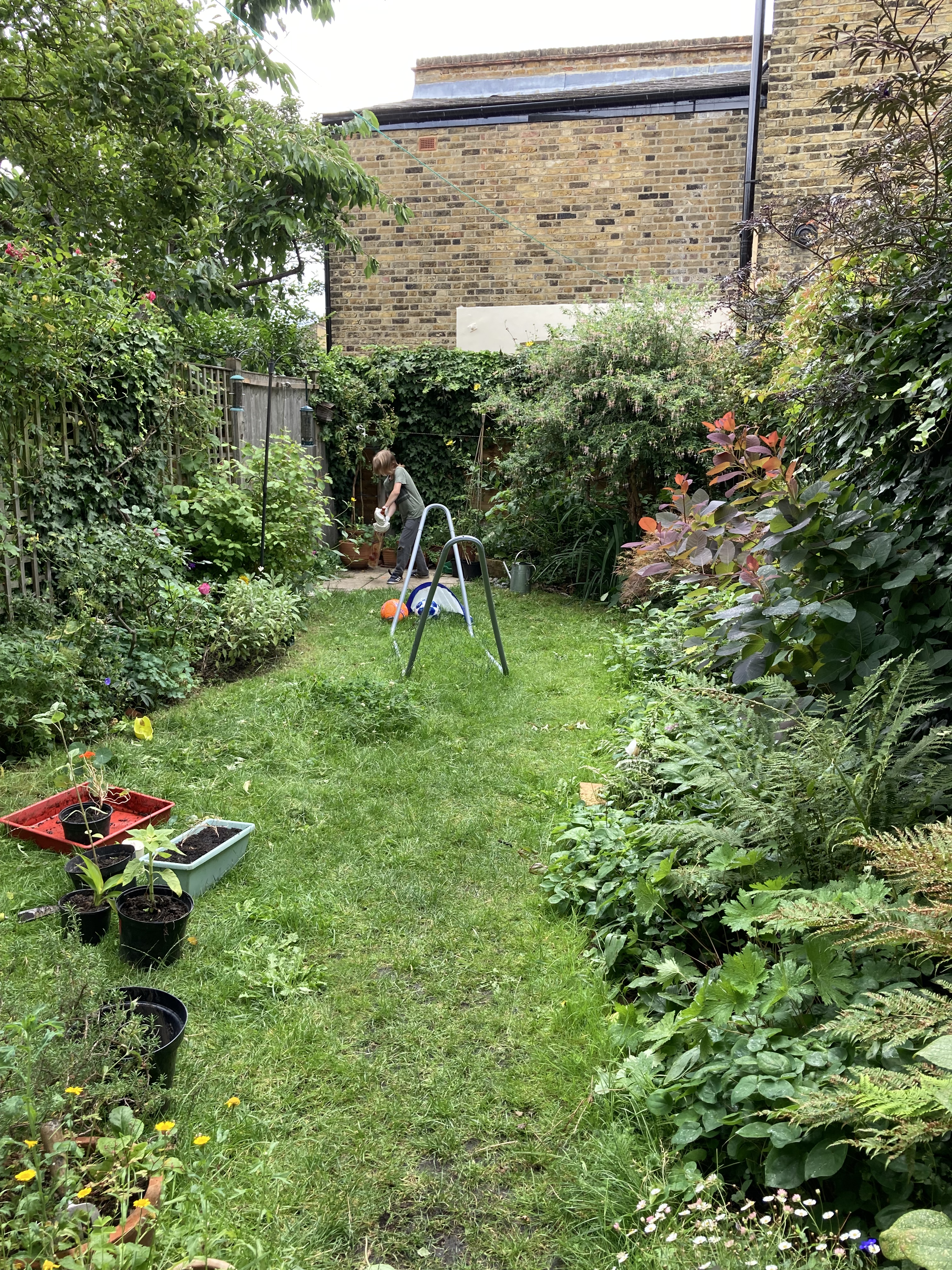
When we got back from Norfolk, the garden looked terrible. The comparison doesn’t help! But every thing is too big – I have this problem as a lot of things that survived the kids & the neglect have outgrown their space. And there aren’t many flowers in my garden this time of year, and it has been raining so much, the green has shot up. The fuchsia, which mostly I love so much, has bushed out, and put the whole of the back bed in shade. And in this funny stormy light, it looks a horrid salmony pink.
Turning things from a mess to a garden seems mostly to involve cutting stuff right back, tidying stuff up & killing things. I’ve started in this photo, and also cut the edge of the lawn with shears (I will mow the middle). I like the right-hand side more than the left because it’s still wilder….
So I know like it messy, but I think there is still some way to go to make it look like a lovely garden. The trouble is, as soon as you cut things back, you find things living there. Frogs in the grass, caterpillars in the bushes and the fuschia is so full of honey bees, it buzzes. The old dilemma about gardening for wildlife. When do you stop gardening if you really want the wildlife to flourish?
As I am thinking discontentedly what I need to do to this week to rebalance the garden, I should remember… while Chris and I were sitting in the kitchen today after lunch, a BIG beautiful frog hopped across the garden. It sat by the pots for a bit and then it did a massive jump into the cranesbill. That is worth lots of mess!
I might have gathered the poppies a bit early (I got them from the Other Garden when the foxes ran through it). Also been overly keen on gathering the Cerinthe but I grew it last year and I wanted to make sure I had it again.
So far I have kept them in envelopes in the kitchen. Maybe start thinking about planting them when we get back from Cawsand….
This is not something I really know anything about it.
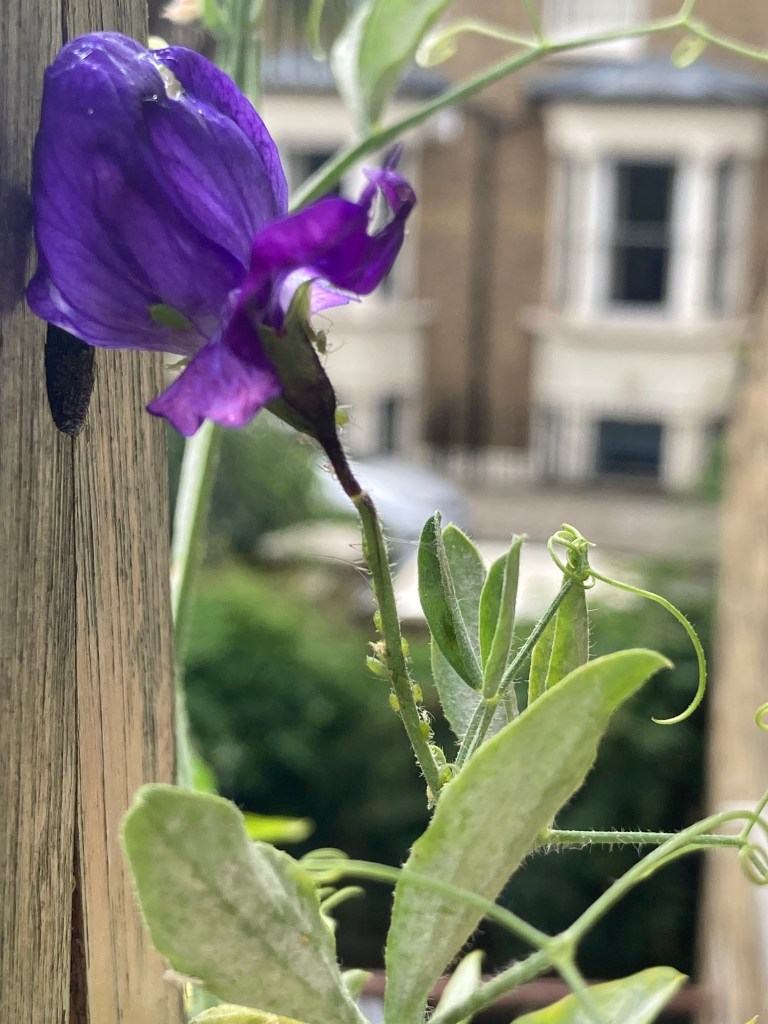
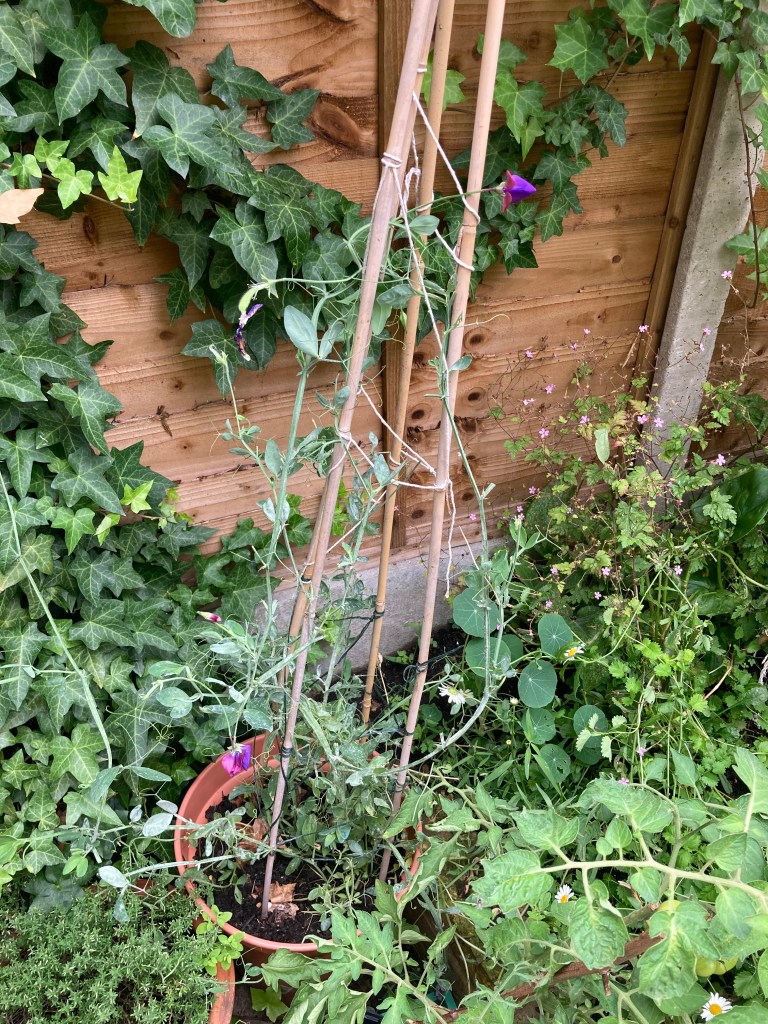
Sweet peas: they are spindly & stunted! They have tiny stems. And loads of plump green aphids. And mildew! As predicted in I love Sweet peas and Sweetpeas don’t love me!
I have finally pulled up the poles I put in the back bed as there are no sweet peas growing up there. I am going to give up cutting the ones in pots (too short-stemmed to put in vases) and let them go to seed – if there is any point in having mildew-prone, short stemmed seeds….
PS: August 6th update: got frustrated with them and pulled them up! Will maybe buy seedlings from Sarah Raven next year. But must ONLY get mildew-resistant ones.
Veg: as predicted in I can’t grow veg, I can’t do that either. I have grown beans that we failed to eat and are now so huge and hard I am working out how to save them as dried beans (all 10 of them). I have a trombocino that … well who knows really? And some unappealing-looking Swiss Chard that I don’t want to eat either. I’ve got some pea sprouts that have gone all hairy.
Let it go! Give up thinking you can sneak some in, because you can’t. Try and grow some parsley and don’t worry about the rest.
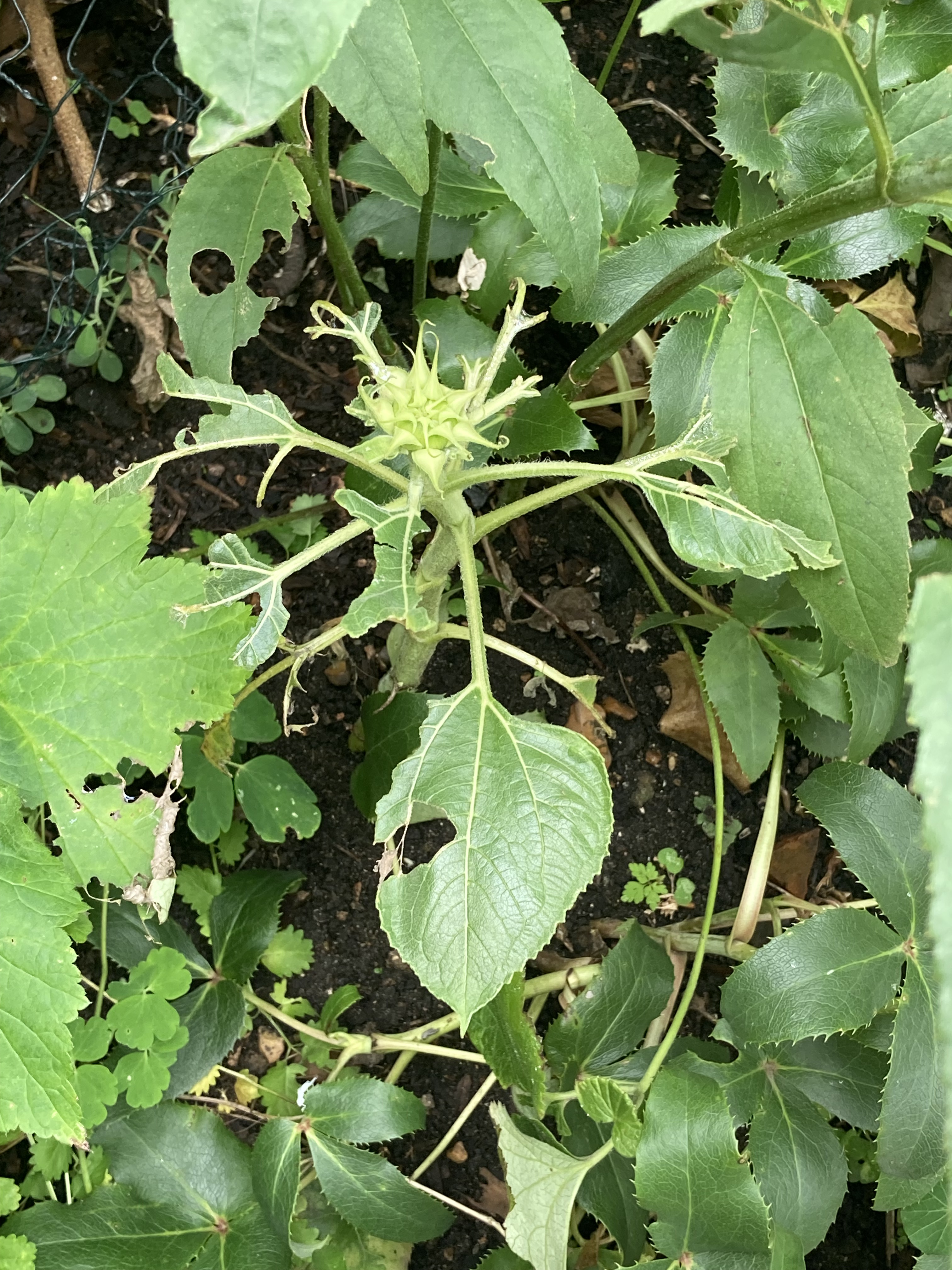
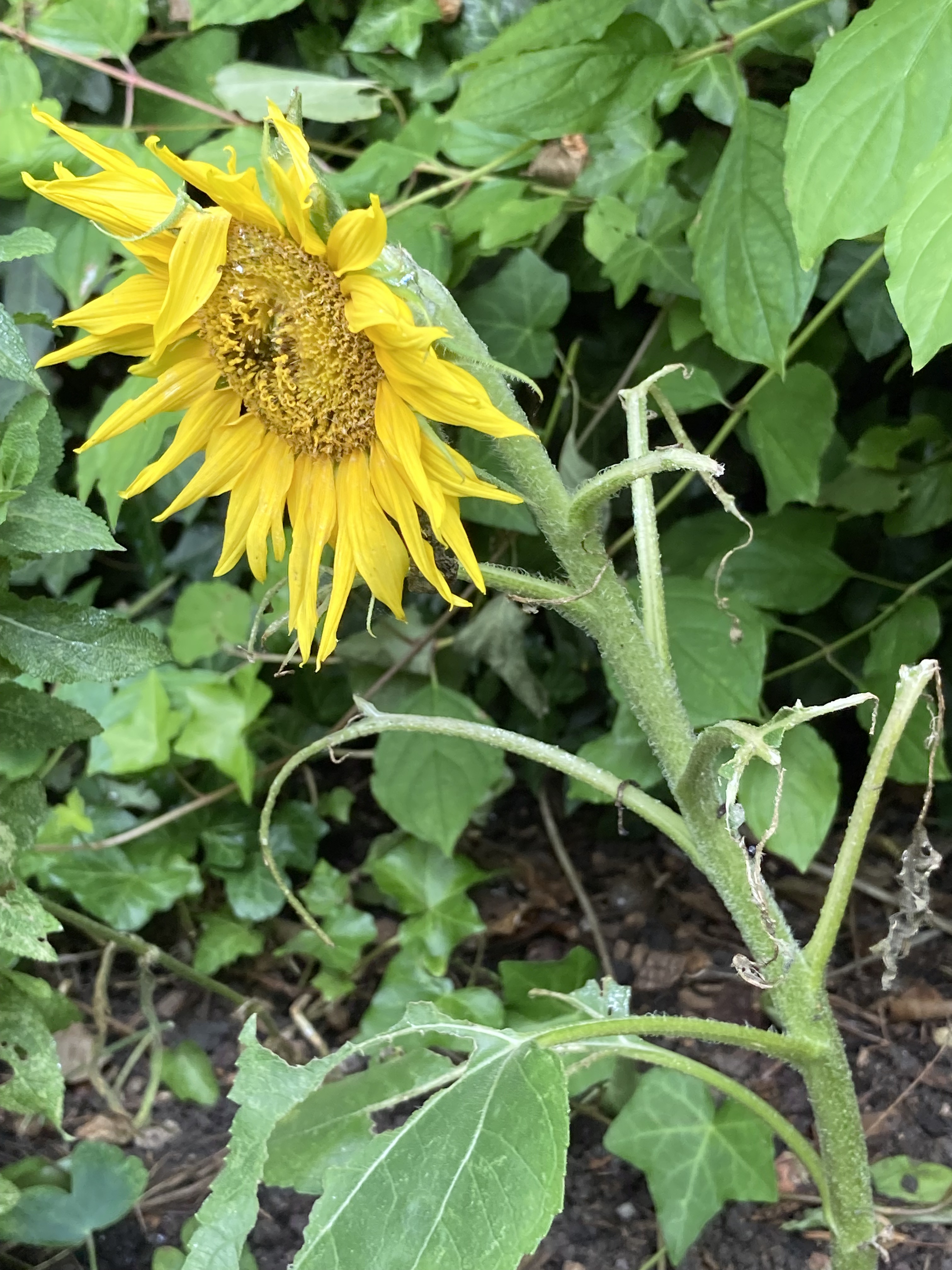
Sunflowers: this isn’t quite fair because they have grown – but they’ve also been eaten! (Unlike my vegetables). This has been a bumper year for snails – but I need to remember that things need to be really big and strong not to get eaten up as soon as they get planted out,
PS: August 6th update: cut them all down
Scabious: 6th August update: I have one scabious! Pic to follow
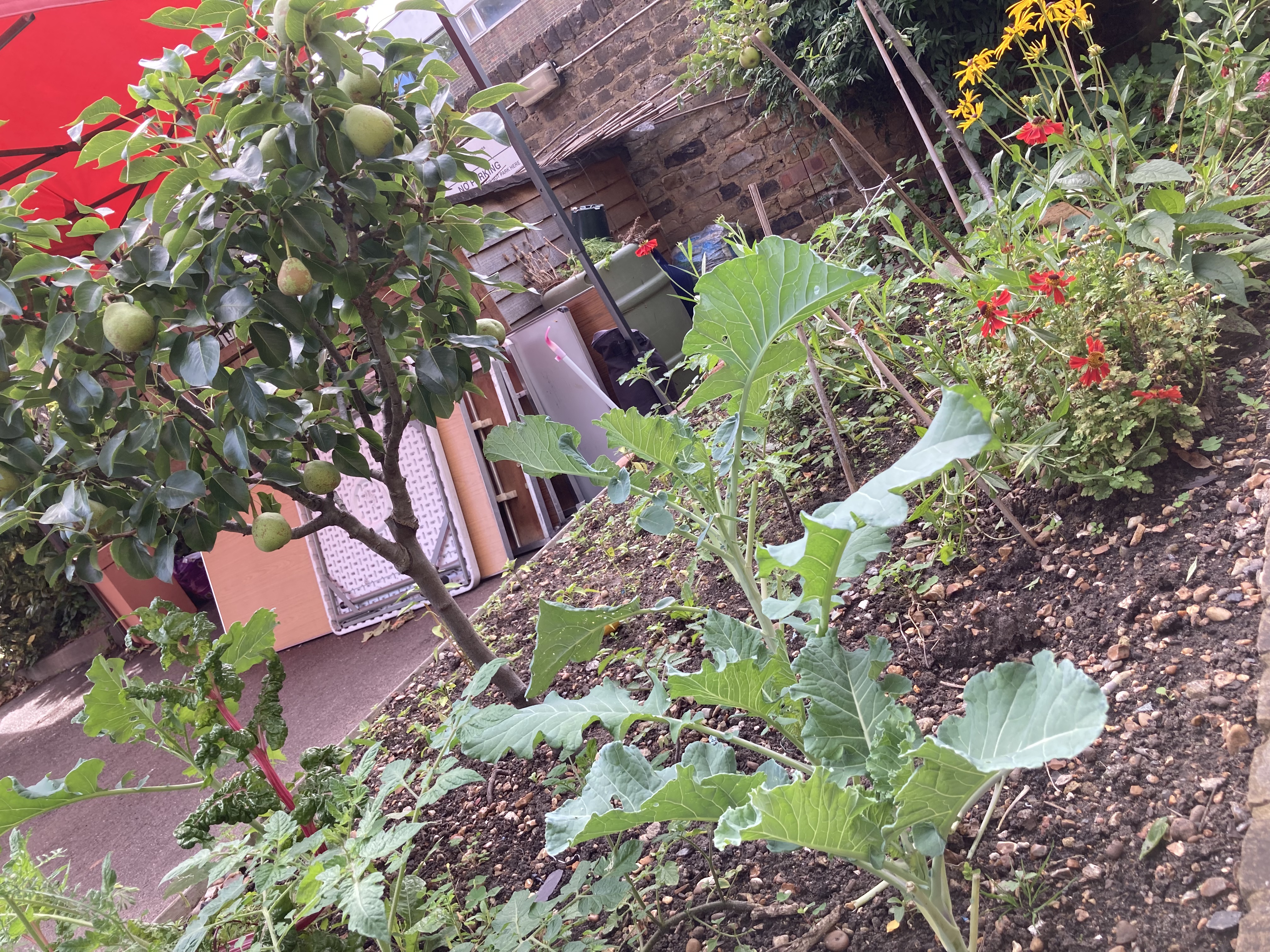
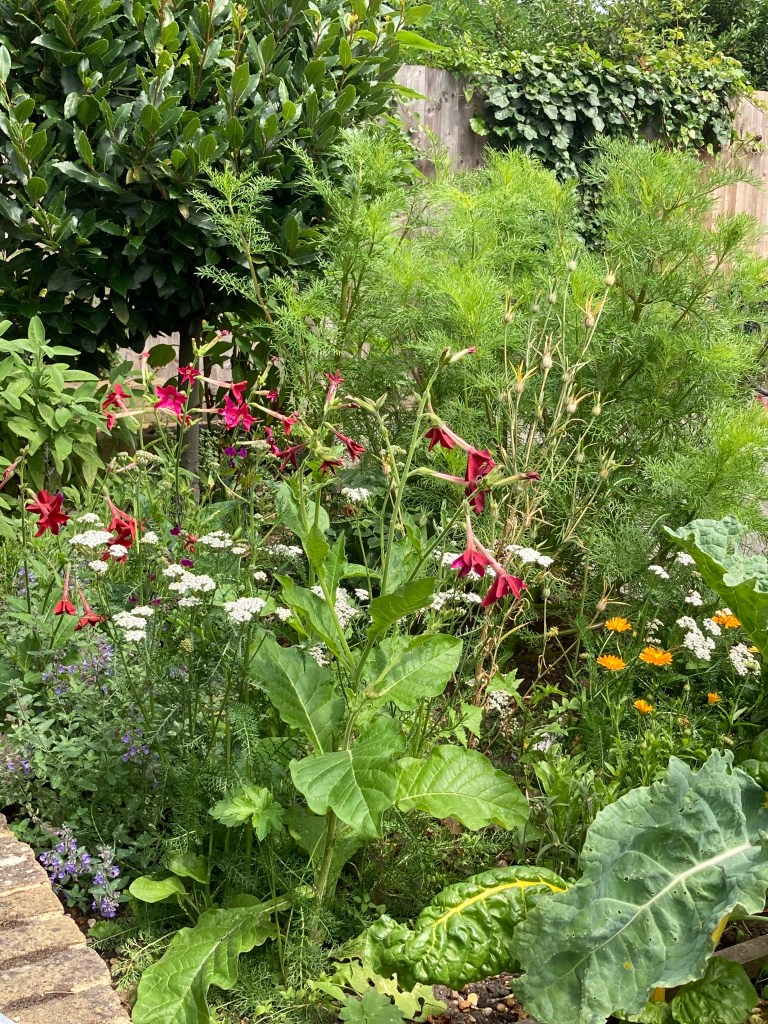
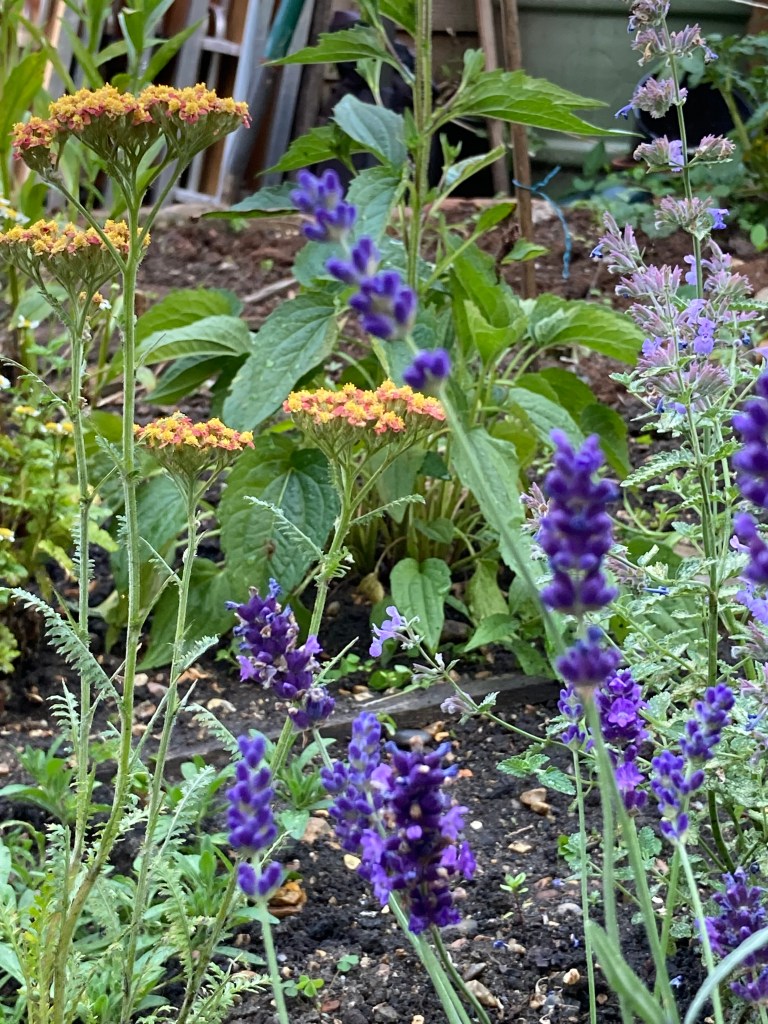
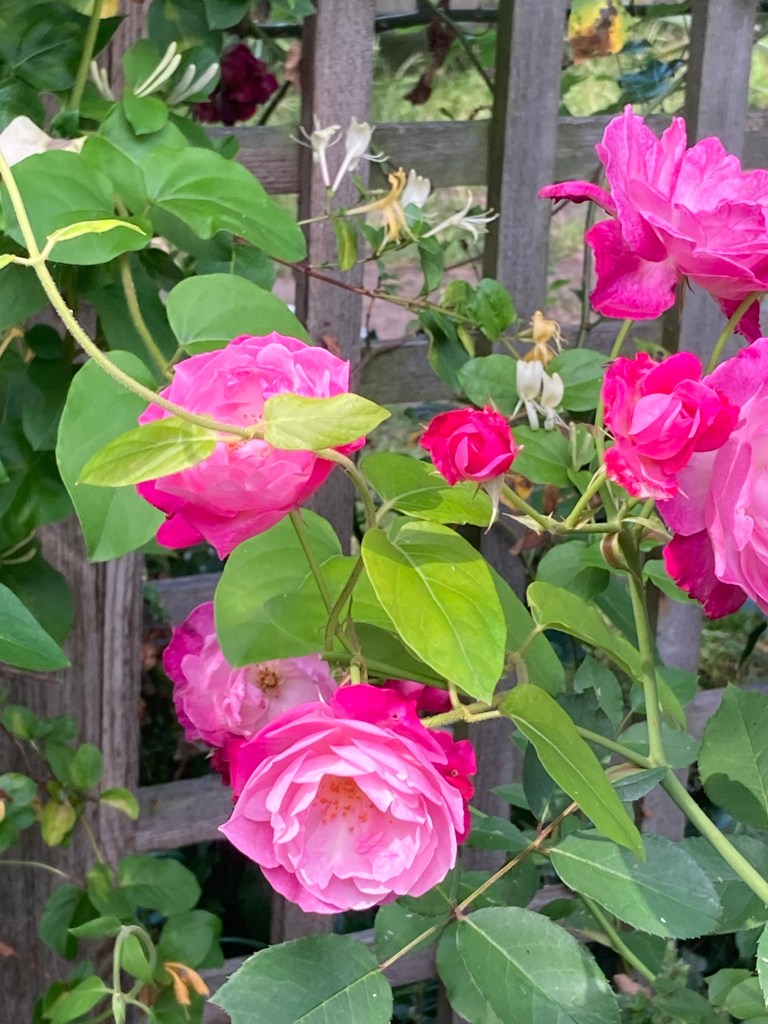
Red Cross garden was looking v nice last time I saw it (end of July) but I forgot to take any pictures. Here are some interim ones of the week before. The flowers I bought were all recommended for their long flowering season and are doing really well. I think it makes things nicer for everyone come in and out, certainly the people working there – and a lot of the beneficiaries stop to chat. Maybe gardening is a nice, casual way for people to start up conversations.
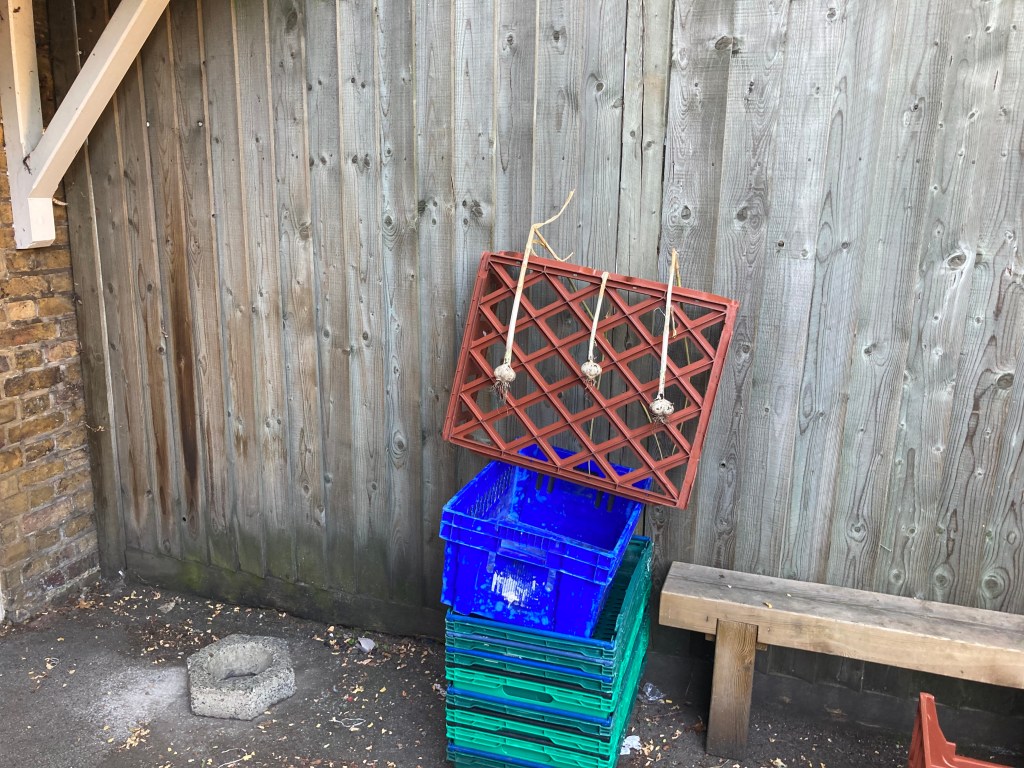
There’s also some garlic I dug up (which Mourad planted). These are the biggest bulbs and look proper, we’ve got lots of tiny ones at home.
It’s really helped that it’s been so wet. The rain has helped everything establish. I just need people to dead-head as I’m not there much in the holidays.
I also realise I don’t know what to do about harvesting veg! In my garden, I let everything bolt because it looks nice! But here it seems like we should really try and eat it. But it will RUIN the display…
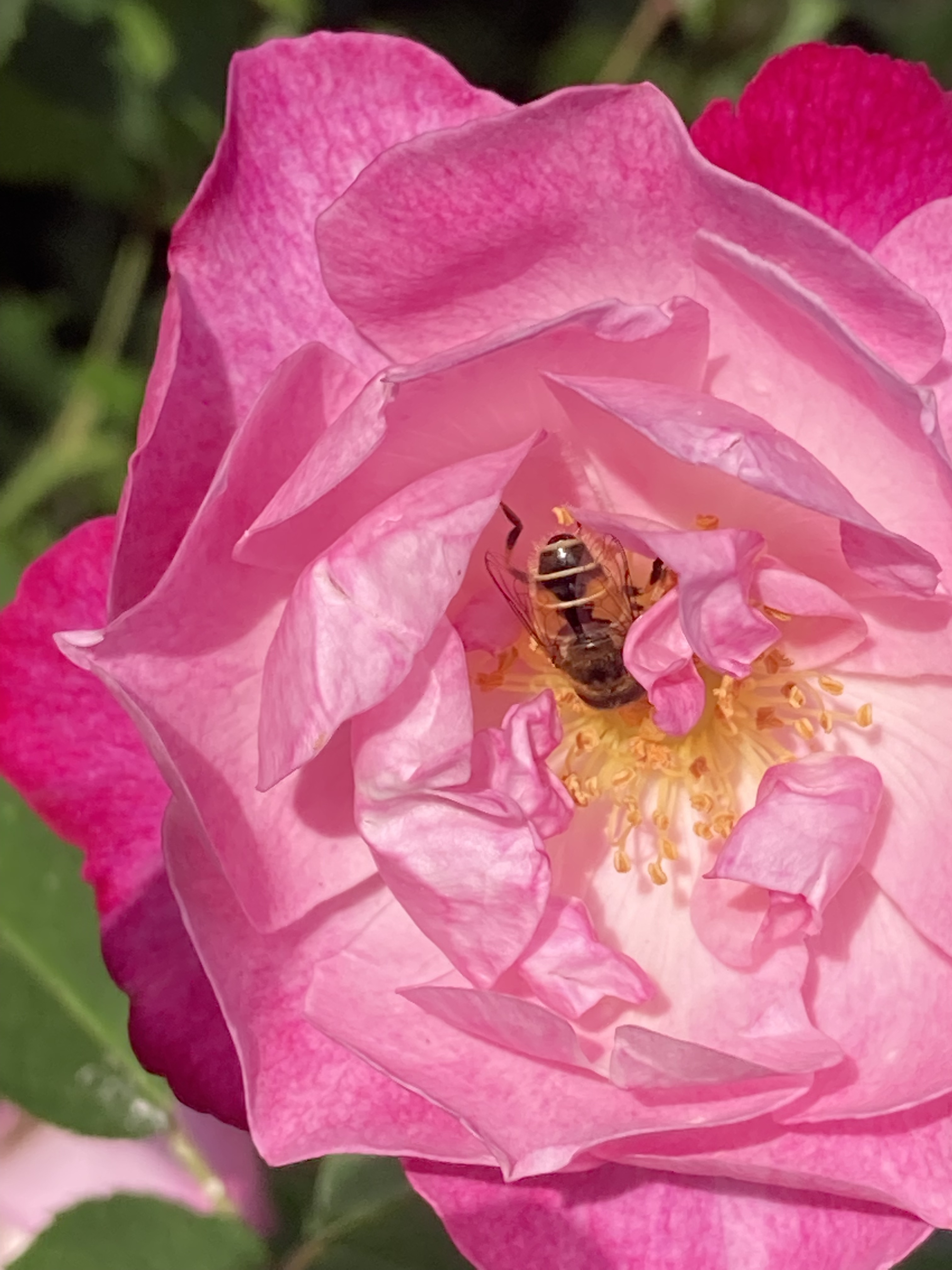
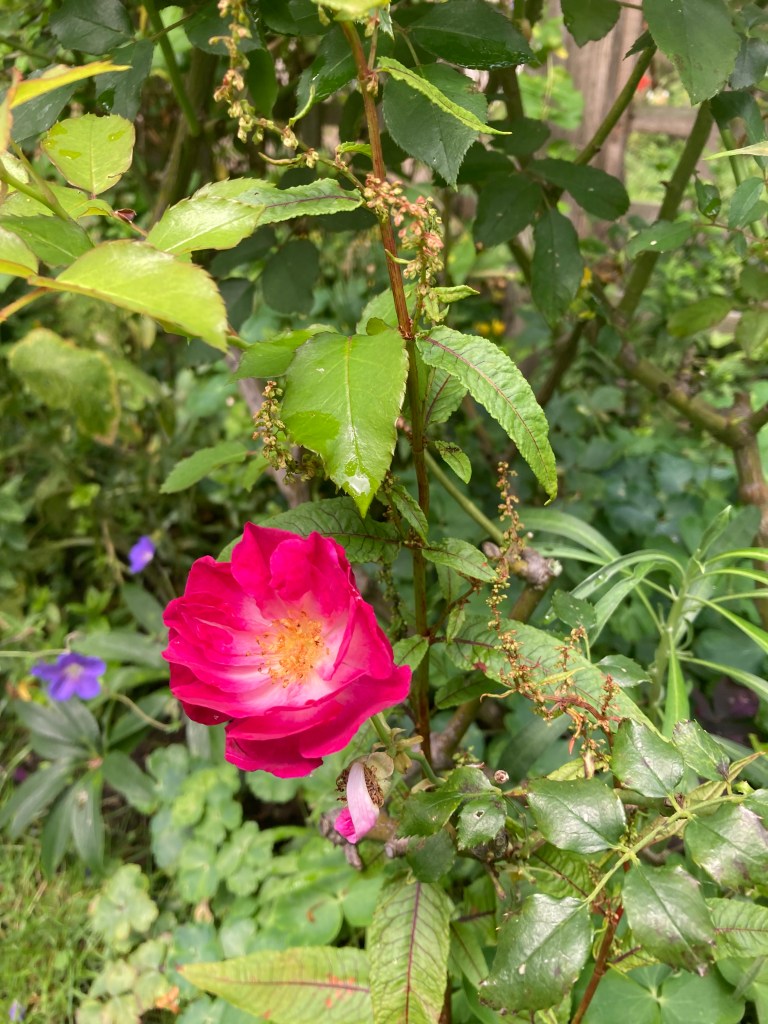
This is a “Sophie’s Perpetual” Rose that Marion gave me – I think for my 40th Birthday. It is lovely and it is reverting, which means it is turning back into the wild, has 7 leaves (not 5) and some flowers that look like wild dog-roses. The internet says it should only happen on canes developing below the graft, but mine seems to have wild leaves on all of it, though only a few flowers that don’t look true.
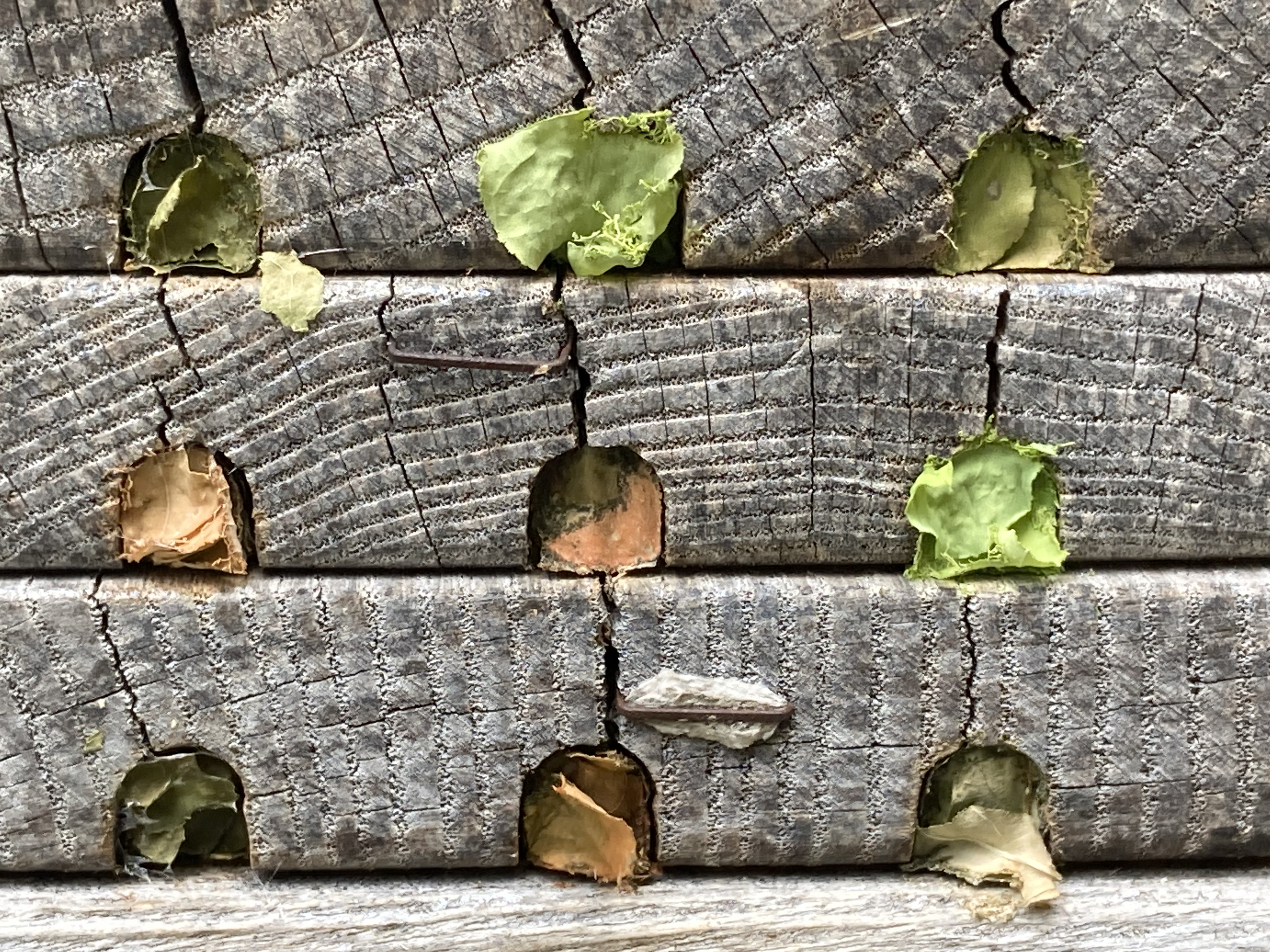
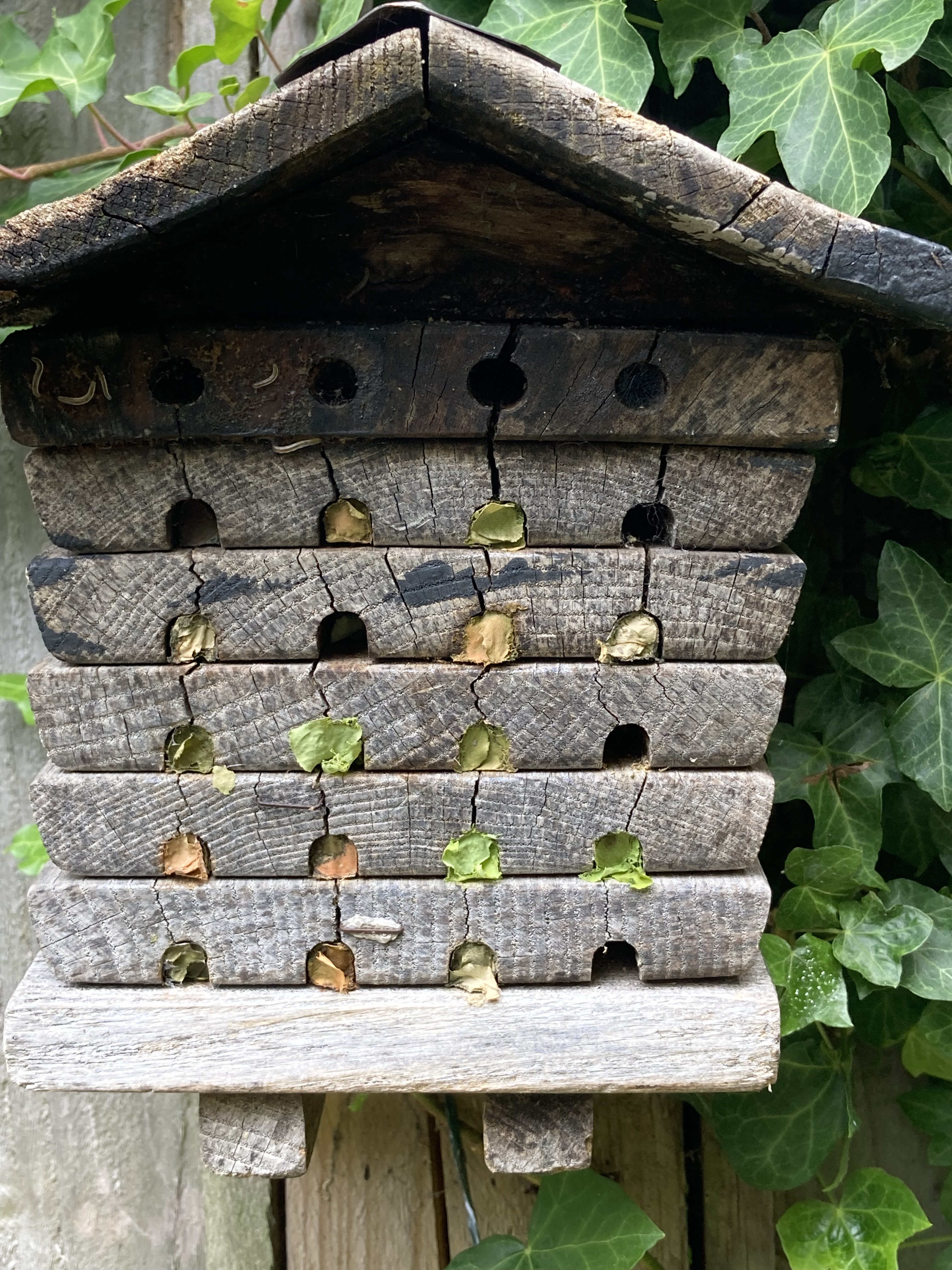
The leaf cutters are taking over! Luke hit a cricket ball into the box and it fell of the fence, but I’m hoping that’s not going to do them any damage. 13 and counting….(you can’t see the top one because it’s all brown but there).
First week of August
Up to 16. Nearly a completely full house. Look at the craft!
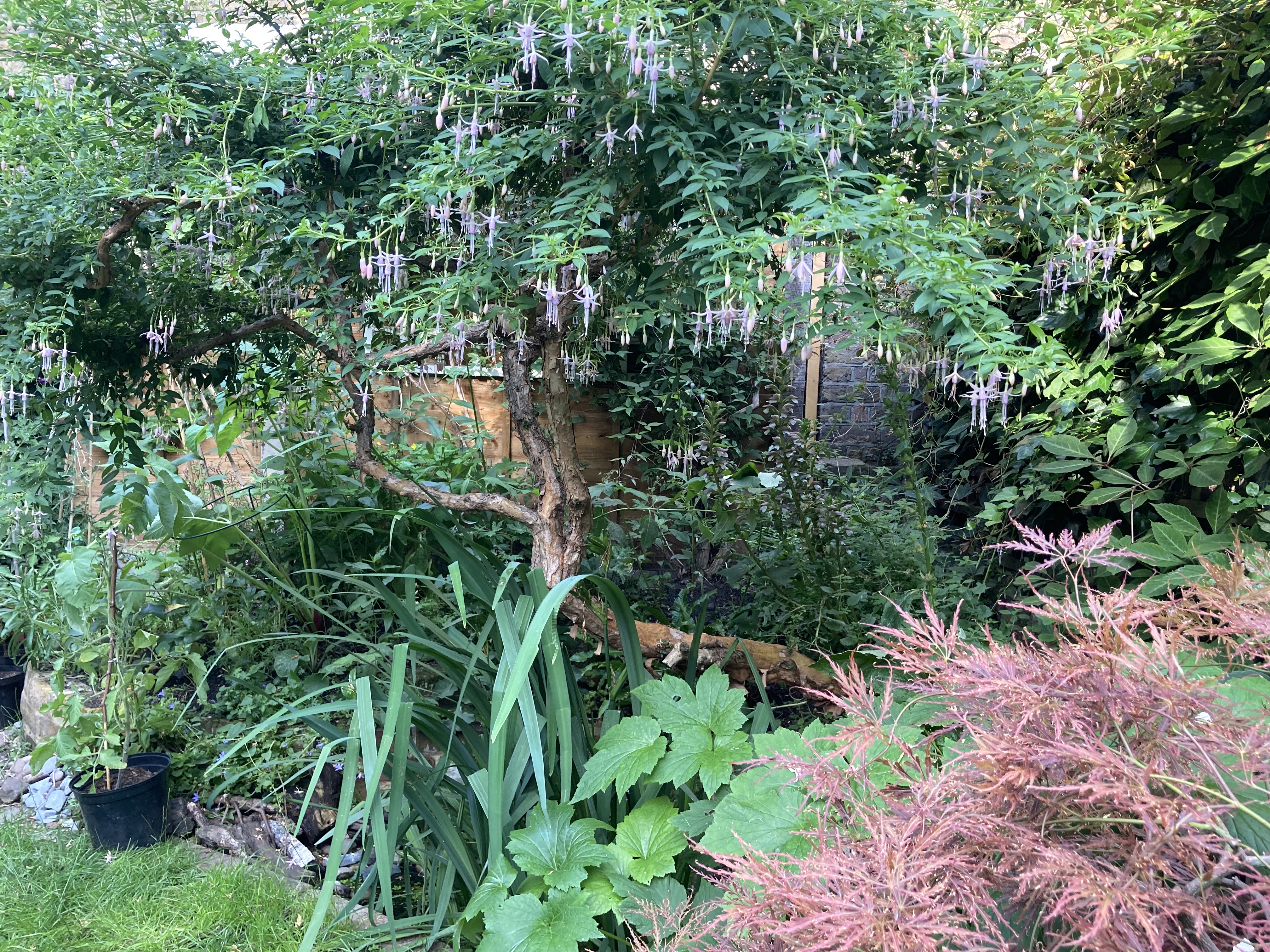
This is one of the first plants I ever bought, about 20 years ago, in a tiny pot.
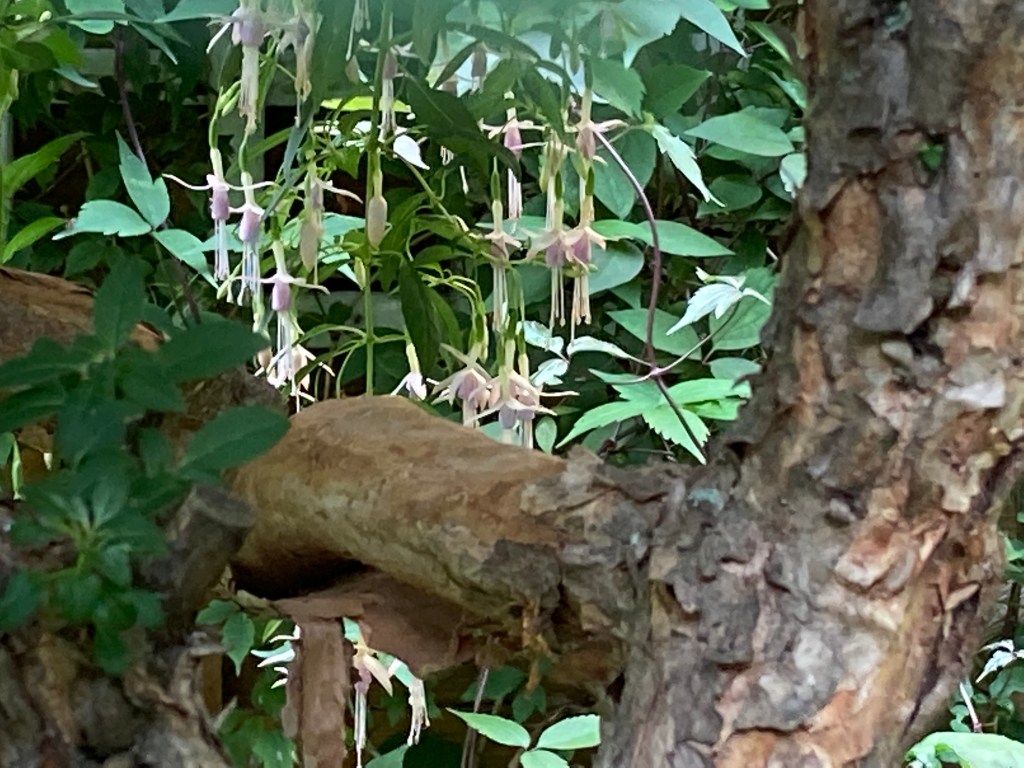
Now it is basically a small tree. It wants to bush back into a shrub but I have pruned it over the years to be a tree. I love it because it is beautiful. And partly because it won’t die easily – before I started tree-pruning it, I tried to dig it out and it just grew back; every year I hack huge swathes out of it and it just gets on with it. It is so full of life, that when I use sticks from it as supports for other plants, they start rooting.
And partly because it is a part of THIS garden. It grows out at an angle over the pond, so you couldn’t buy one and plant it like that. It can only be – and can only have grown up over time – where it is.
I also like it because it I once read an article in the FT by Robin Lane-Fox saying tree-pruned shrubs were INCREDIBLY fashionable – mostly for snobbish reasons about how long it takes to grow them – but it made me feel ON TREND.
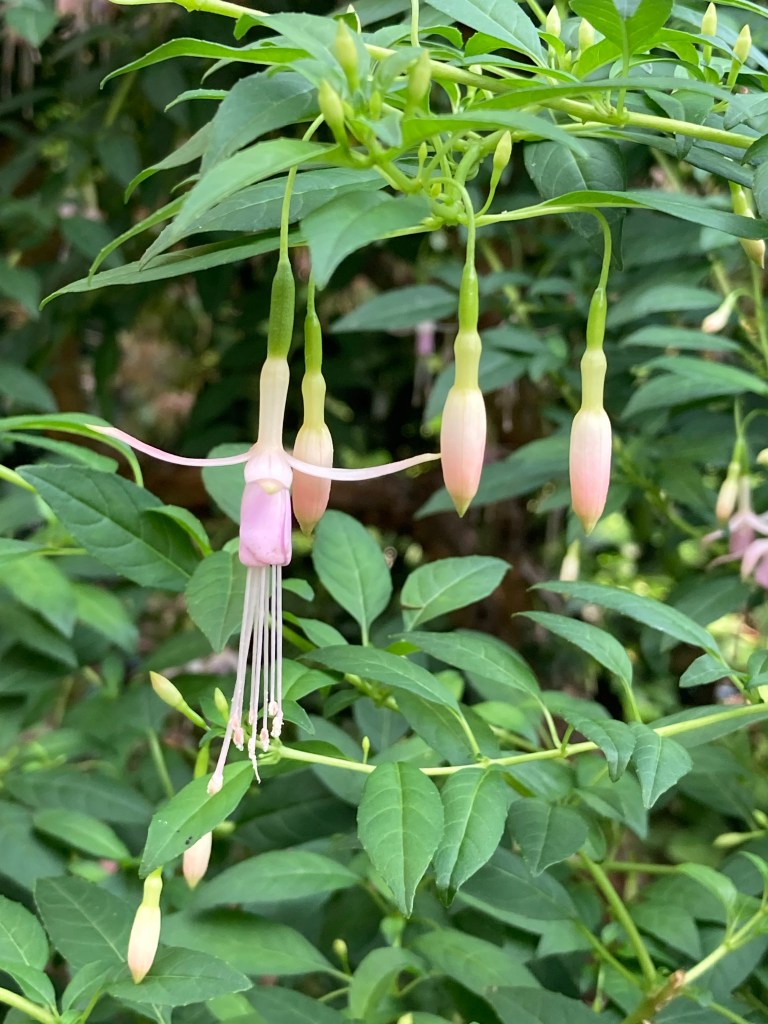
It is always covered in flowers and full of honey bees, that often bite through the tops of the flowers to cheat their way to nectar.
In the last couple of years, it has got fuchsia gall mite, probably from some cheap plants I got from B&Q to grow on for the school fair (which is galling ho-ho). This isn’t going to kill it, but it distorts the leaves and stops the flowers developing properly so that the plant ceases to be “viable”. I cut the infected bits off, and cut it right back in the winter – I read somewhere that very cold winters can kill the mite. So far this year, it looks alright and I”m hoping the cold winter/ spring/summer has delayed it for it a bit. I’ve also read that it gets worse through the summer, as successive generations breed and numbers grow. I think it is such a large plant it will probably be okay – you can chop it back for ages and there is still loads left, but I would be very, very sad if it ceased to be “viable”.
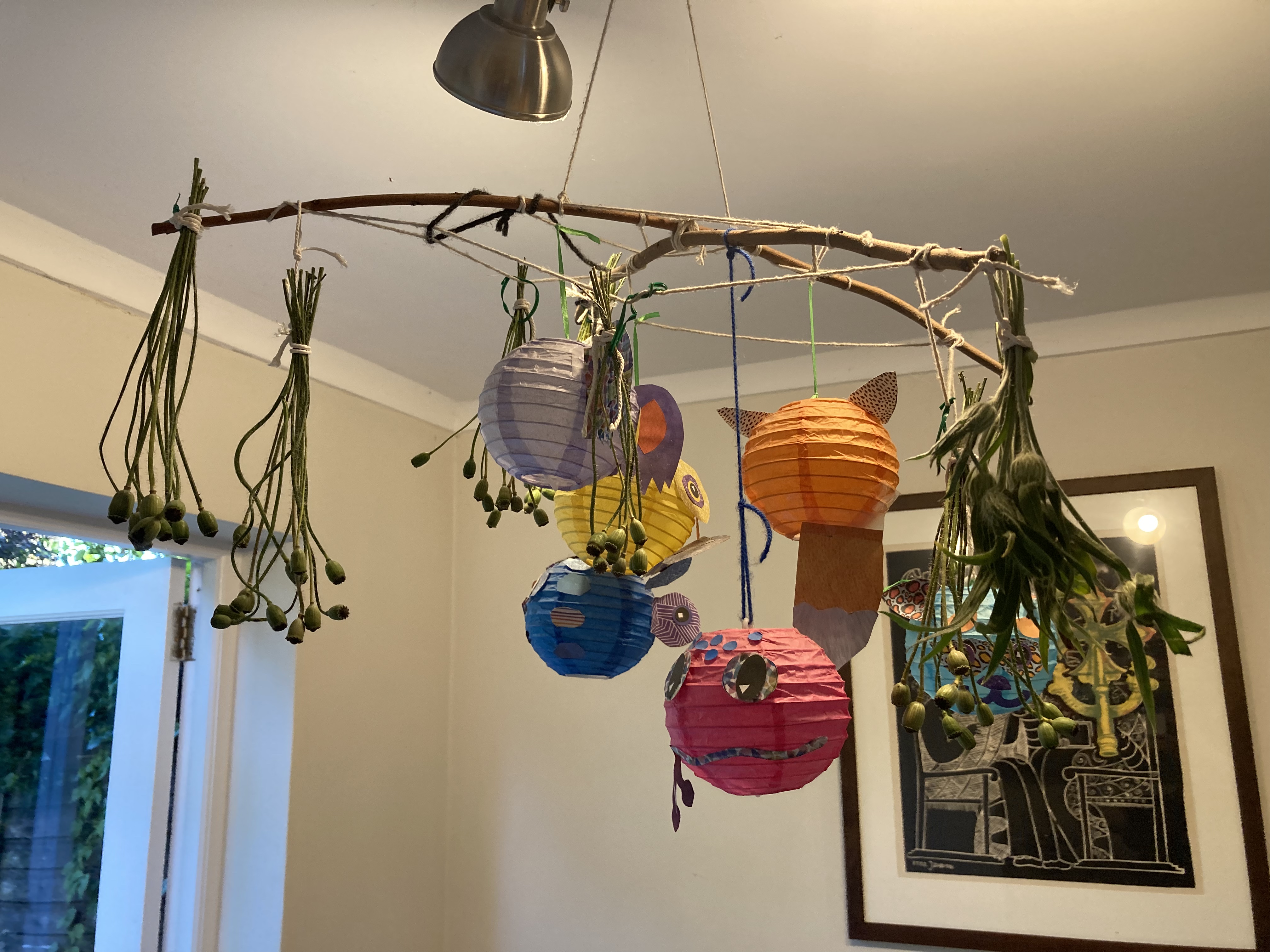
All the poppies in the other garden got knocked over by foxes or drunks. So I cut them down and tied them in bunches. Then I tied them to the mobile in the kitchen, so they could dry out. I felt like Elizabeth Bennet drying lavender.
I thought this would take a couple of weeks but what happened was almost immediately they started spilling poppy seeds onto the kitchen table and it was incredibly difficult to untie them from the mobile and while I was doing that most of the seed came out. So I’m not doing that again.








 My Garden